November 8, Good Blade Day: Inside Japan's Annual Scissors Memorial Ceremony
Every November 8, bladesmiths across Japan gather to honour the tools that served and the tools that broke. They bring scissors, knives, razors, and chisels that have reached the end of their working lives. These blades are not tossed in a bin. They are acknowledged, thanked, and ceremonially retired in a ritual that has no real equivalent anywhere in the Western world.
The ceremony is called 刃物供養祭 (Hamono Kuyo-sai, Blade Memorial Ceremony), and if you want to understand why Japanese scissors are built differently from everything else on the market, this is where you start. Not with steel grades or edge geometry. With the philosophy that your scissors have a soul.
The Wordplay Behind November 8
The date itself is a piece of Japanese linguistic cleverness. November 8 was designated いい刃の日 (Ii Ha no Hi, Good Blade Day) through a system of number wordplay called 語呂合わせ (goroawase).
In Japanese, numbers can be read with multiple pronunciations. November is the 11th month: 1-1 can be read as い-い (i-i), which sounds like いい (ii, meaning “good”). The 8th day: 8 can be read as は (ha), which is also the reading for 刃 (ha, meaning “blade” or “edge”).
Put them together: いい刃の日. Good Blade Day.
It sounds lighthearted, almost playful. But the ceremony itself is anything but casual. The Hamono Kuyo-sai is conducted with genuine solemnity by Shinto priests, with offerings and prayers. Bladesmiths, salon professionals, chefs, and craftspeople attend to pay respects to the tools that carried them through their work.
What Actually Happens at the Ceremony
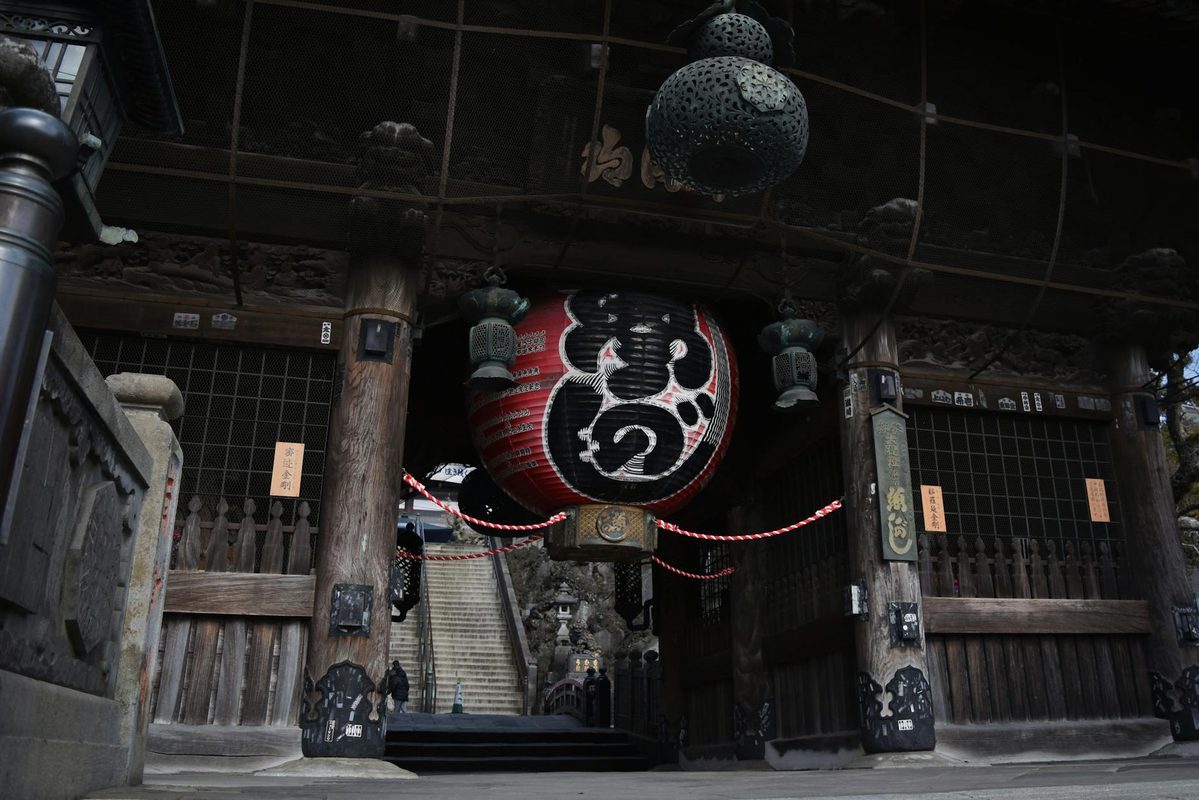
The largest and most well-known Hamono Kuyo-sai takes place at Seki City in Gifu Prefecture, Japan’s epicentre of blade manufacturing. The Seki Cutlery Museum (関鍛冶伝承館, Seki Kaji Denshokan) hosts events throughout the week surrounding November 8, drawing visitors and industry professionals from across the country.
Here is how the ceremony typically unfolds.
Participants bring their worn-out, damaged, or retired blades. These are placed on a ceremonial altar. A Shinto priest performs rites of purification and thanks, addressing the blades as objects worthy of gratitude. Prayers are offered for the souls of the blades and for the safety and skill of those who will wield future tools.
After the ceremony, the blades are collected for recycling. The steel is melted down and reborn as new material. Nothing is wasted.
Some participants write short messages or attach tags to their blades before placing them on the altar. A hairstylist might thank a pair of scissors that saw them through a decade of work. A chef might honour a knife that became an extension of their hand. The gesture is personal and specific.
Similar ceremonies take place at shrines and temples across Japan, though the Seki City event is the industry’s spiritual centre. Osaka, Tokyo, and Kyoto all host their own observances, some affiliated with specific blade manufacturers or professional guilds.
Tools Have Souls: The Philosophy Behind the Ritual
To a Western audience, holding a memorial service for scissors might sound eccentric. To understand why it makes perfect sense in Japan, you need to know one phrase: 道具に魂が宿る (dogu ni tamashii ga yadoru). It translates roughly as “a soul resides in tools.”
This philosophy drives every aspect of Japanese scissors manufacturing, as we explore in Shokunin Spirit. This is not a metaphor. It is a deeply held cultural belief rooted in Shinto animism, which holds that spirit (神, kami) can inhabit natural objects, crafted objects, and places. A tree can have kami. A river can have kami. And a pair of scissors that has been used with care and skill for years can develop a kind of spiritual presence that deserves acknowledgment.
This philosophy extends beyond blades. Japan holds kuyo (供養, memorial) ceremonies for a remarkable range of objects: sewing needles (針供養, hari kuyo, held on February 8), dolls, brushes, even eyeglasses. The common thread is gratitude. Objects that served a purpose deserve thanks when their service ends.
For scissor manufacturers, this philosophy is not just cultural background. It directly shapes how they design, build, and market their products. When Mizutani talks about their scissors being crafted to form a partnership with the stylist, they are drawing on this tradition. The scissors are not a disposable commodity. They are a partner in the work, and partners deserve respect.
How This Philosophy Shows Up in Daily Salon Life
If you have ever worked alongside a Japanese-trained stylist, you may have noticed habits that seem excessive by Western standards. Wiping the blades with a chamois cloth after every single cut. Applying oil to the pivot at the end of every day. Never leaving scissors open on the counter. Storing them in a dedicated case, often wrapped in a protective cloth.
These are not quirks. They are the daily expression of dogu ni tamashii ga yadoru.
Japanese stylists are taught from their first day of training that their scissors are alive in a meaningful sense. Not literally sentient, but deserving of the same attentiveness you would show a living thing in your care. You do not throw a living thing in a drawer. You do not let it sit wet. You do not ignore signs that something is wrong.
This care protocol is practical as well as philosophical. A pair of convex edge scissors with hamaguri-ba geometry is a precision instrument. The edge is ground to tolerances measured in fractions of a millimetre. Neglect accelerates wear. Chemical contact destroys the edge. Improper storage leads to nicks and damage that compromise cutting performance.
But the Japanese approach goes beyond what pure pragmatism would require. A stylist who wipes their scissors after every cut is not just preventing corrosion. They are maintaining a relationship with their tool. And that relationship is what the Hamono Kuyo-sai ultimately honours.
The Contrast with Western Tool Culture
Let me be blunt about the difference, because it explains a lot about the global scissors market.
In most Western salons, scissors are tools. You buy them, you use them, you replace them when they wear out. Maintenance is something you do when cutting quality drops noticeably. Sharpening happens when you remember to send them out. Storage is wherever there is space on the station.
There is nothing wrong with this approach. It is functional. But it produces a fundamentally different relationship with the tool, and that relationship influences everything downstream: how much you are willing to spend, how long you expect them to last, and what you demand from the manufacturer.
A stylist who views scissors as disposable will optimise for price. A stylist who views scissors as a partner will optimise for quality and longevity. Japanese manufacturers build for the second type of customer.
This is why brands like Hikari and Kasho invest heavily in edge quality and material durability rather than cosmetic features. A scissors built to be cared for can be built to last 10, 15, even 20 years. A scissors built to be replaced needs to look good on the shelf but does not need to perform at the same level five years in.
The Hamono Kuyo-sai is, in a sense, proof that Japanese manufacturers succeed at building tools worth mourning. You do not hold a memorial ceremony for something you were happy to throw away.
The Seki Cutlery Museum: Where History Lives
If you ever visit Seki City, the Seki Cutlery Museum is essential. Housed in a traditional building near the city centre, it documents Seki’s 780-year bladesmithing heritage from the Kamakura-period swordsmiths through to modern scissors production.
The museum includes live forging demonstrations, historical blade displays, and exhibits on the transition from swords to civilian cutting tools. Around November 8, special events and workshops are held, and the Hamono Kuyo-sai ceremony often takes place on the museum grounds or at a nearby shrine.
For visiting stylists, the museum offers a perspective you cannot get from a product catalogue. You can see the actual progression from tamahagane sword steel to modern VG-10 and cobalt alloy compositions. You can watch a craftsman grind a convex edge by hand. And you can understand, viscerally, that the scissors you use every day are the product of a tradition that takes its tools seriously enough to hold funerals for them.
What Stylists Can Take from This
You do not need to be Japanese to adopt the philosophy. You do not need to hold a ceremony. But the underlying principle, that your scissors deserve active care and conscious attention, will make a measurable difference in how long they last and how well they perform.
Here is what the Hamono Kuyo-sai philosophy looks like in practice.
Daily care becomes ritual, not chore. Wiping, oiling, and proper storage are not maintenance tasks to put off. They are part of using the scissors. If you cut hair, you care for the tool that cuts hair. The two are inseparable.
You notice problems earlier. When you handle your scissors with attention every day, you feel changes in tension, resistance, and cutting quality before they become serious. Early detection means simpler repairs and longer tool life.
You buy differently. A stylist who plans to care for their scissors for a decade buys differently from one who expects to replace them in two years. You invest more upfront because you understand the return. Brands like Juntetsu and Ichiro are built for this kind of ownership, offering mid-range pricing with the material quality to reward long-term care.
You retire tools with intention. When a pair of scissors finally reaches the end of its useful life, you acknowledge what it did for you. You do not need a Shinto priest. You just need a moment of awareness that this tool was part of your professional life and it served you well.
A Different Way to Think About What You Hold
The Hamono Kuyo-sai is not a marketing event. It is not a brand activation. It is a genuine cultural practice that reflects how an entire nation thinks about the relationship between craftspeople and their tools.
When Japanese scissor makers talk about building scissors with soul, they are not being poetic. They are describing a design philosophy rooted in the belief that tools matter, that craftsmanship matters, and that the relationship between a professional and their instrument is worth honouring.
November 8 is just one day. But the philosophy it represents runs through every pair of Japanese scissors, from the forging to the final hand sharpening to the moment a stylist picks them up for the first time. Good Blade Day is not about blades. It is about respect for the work, and for everything that makes the work possible.