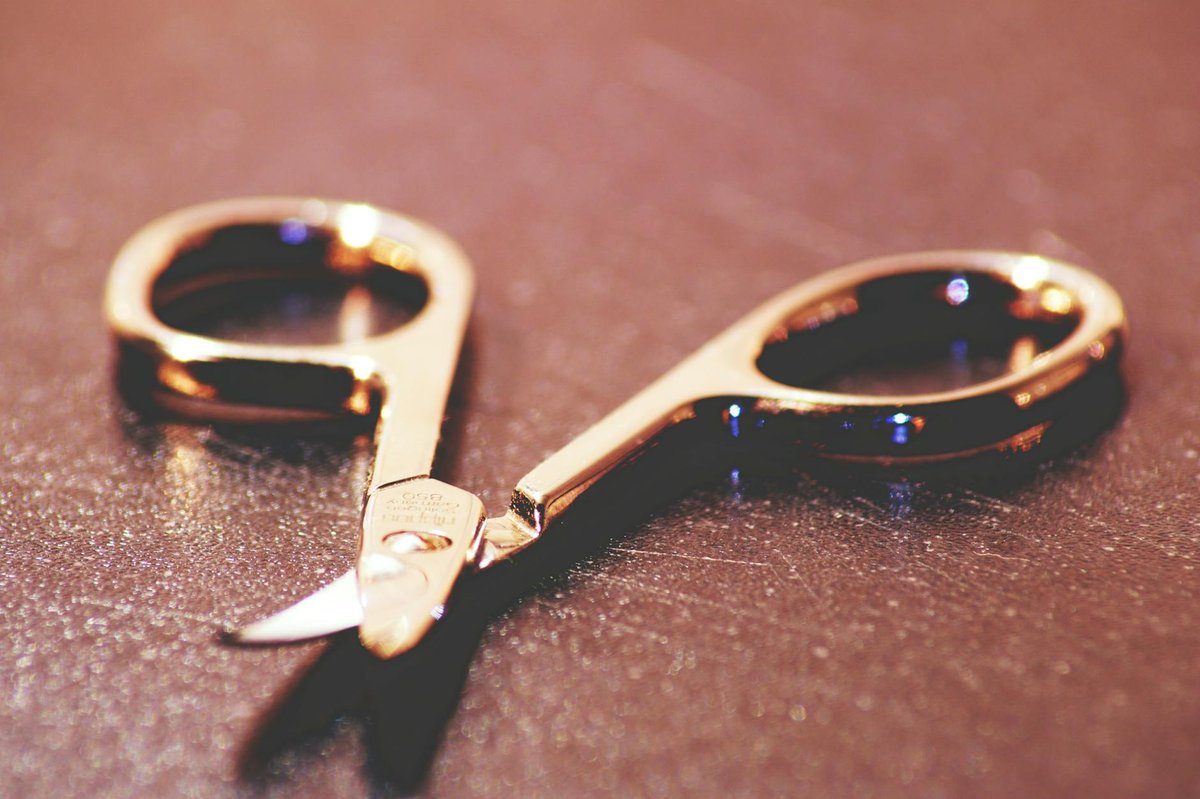
Shokunin Spirit: Why Japanese Scissor Makers Reject Mass Production

Mizutani could automate their factory tomorrow and triple output. They won’t.
This is not because they lack the capital or the engineering capability. Mizutani is one of Japan’s most successful scissor manufacturers. They could invest in fully automated CNC grinding lines, robotic assembly, and machine-controlled sharpening systems that would produce scissors faster, cheaper, and with fewer hands involved.
They choose not to. So does Hikari, which limits production to approximately 1,000 scissors per month. So does Kikui, which switched to a fully built-to-order model in 2001, with just three scissor masters handling production. The pattern repeats across Japan’s premium scissor industry: manufacturers who could scale up deliberately refuse to do so.
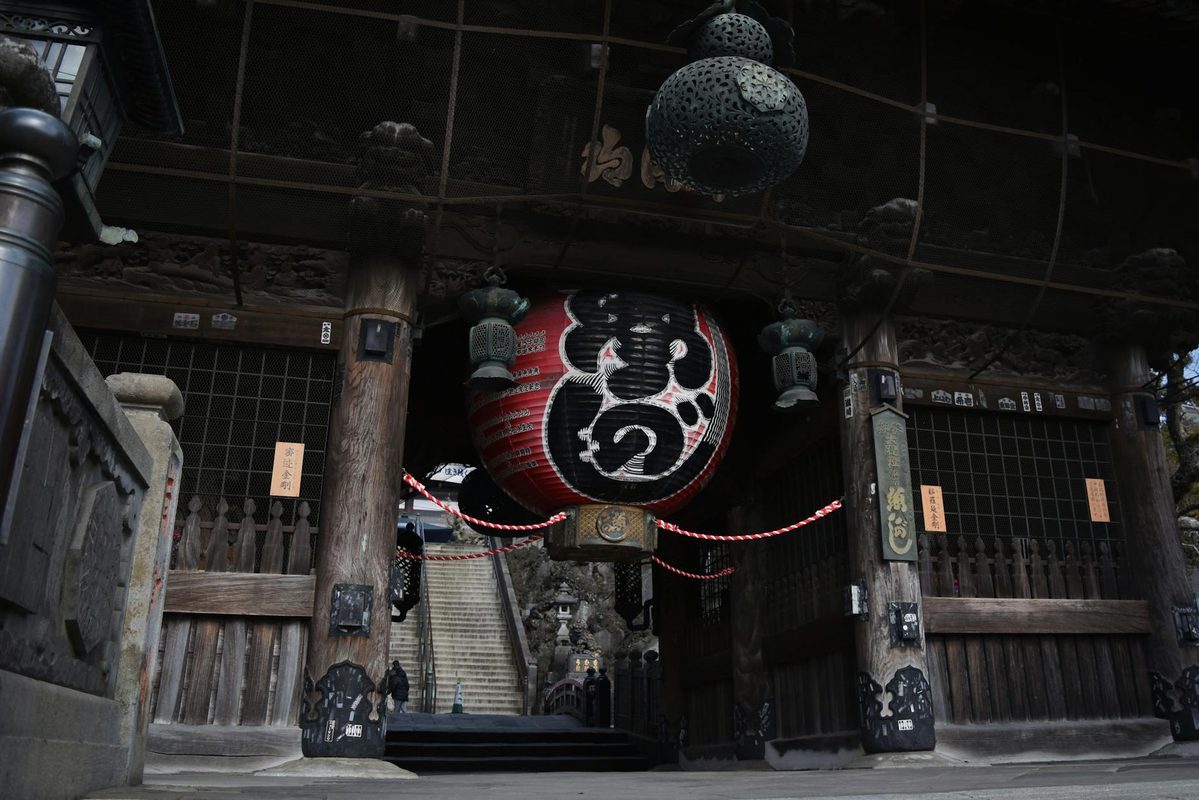
The reason has a name. It is called 職人 (shokunin), and it is the single most important concept in Japanese scissors manufacturing.
What Shokunin Actually Means
The standard translation of shokunin is “craftsman” or “artisan,” but that misses the weight of the word. In Japanese culture, shokunin does not just describe someone who makes things. It describes someone who has dedicated their life to mastering one craft to the point where the work becomes an expression of their identity.
A shokunin does not make scissors as a job. They make scissors because that is what they are.
The philosophy is rooted in a broader Japanese concept: 一道に徹する (ichido ni tessuru), meaning to devote oneself completely to a single path. A scissor shokunin does not diversify into other products. They do not chase trends. They refine their specific craft, year after year, decade after decade, until the gap between their skill and perfection becomes vanishingly small.
This is not romantic abstraction. It has tangible consequences for how scissors are made and how they perform.
The 30-Step Process
Consider Mizutani’s manufacturing process at their facility. Each pair of scissors passes through approximately 30 distinct stages of production. Many of these stages are performed by a single specialist who does that one task, and only that one task, all day, every day.
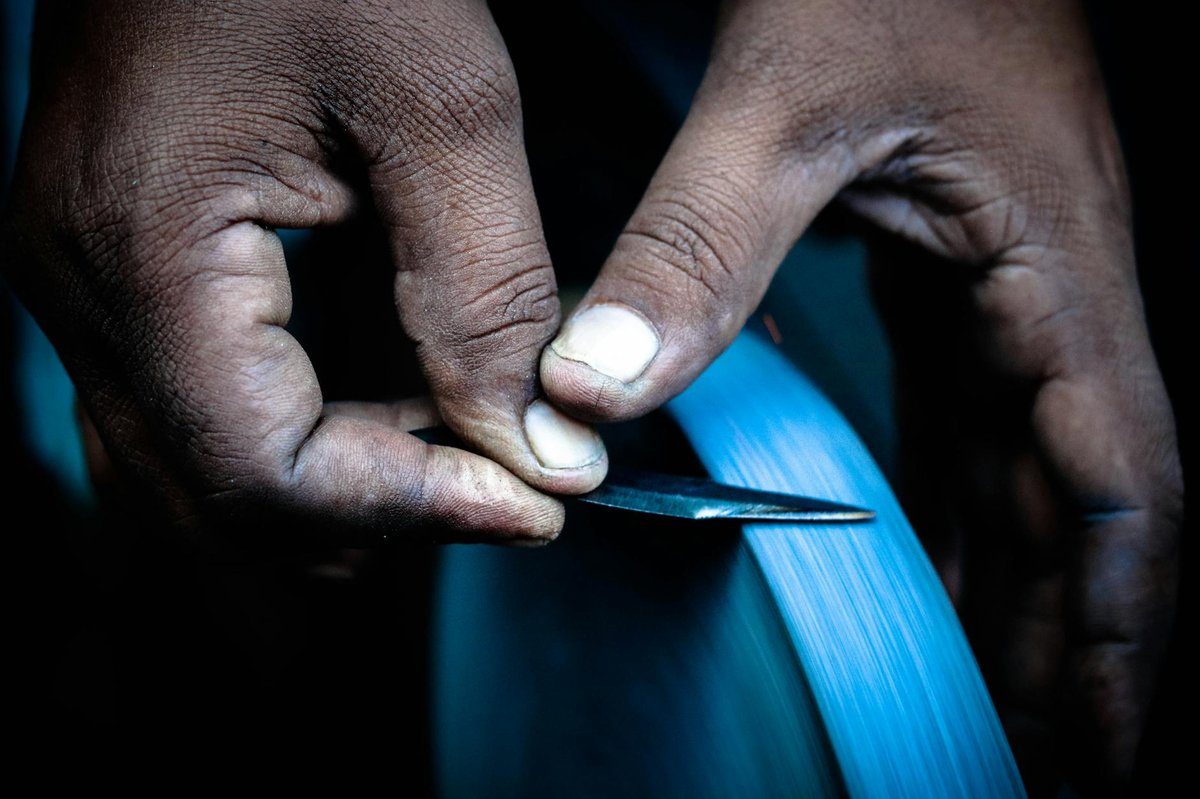
There is a person who does nothing but rough-grind blade profiles. Another who handles only heat treatment. Another who grinds the ride line (the contact surface where the two blades meet). And at the end of the line, a master sharpener who performs the final edge finishing that determines whether the scissors will cut beautifully or merely adequately.
Each of these specialists has trained for years, sometimes a decade or more, to reach the level where they can be trusted with production work. The final sharpener, the 研ぎ師 (togishi, sharpening master), typically has the longest apprenticeship of all, because their work is the last thing that happens to the blade and the first thing the stylist feels.
In a fully automated factory, a computer-controlled grinder would perform every edge-finishing operation identically. The output would be consistent. But consistent is not the same as optimised.
A human togishi can feel the blade. They can detect micro-variations in the steel’s hardness, slight differences in the grind geometry, tiny imperfections that a machine would miss. They adjust their technique in real time, responding to the individual character of each blade. The result is not a scissors that matches a specification. It is a scissors that has been individually tuned.
Hikari: The Hairdresser Who Became a Manufacturer
Hikari is an instructive example of how the shokunin philosophy operates at the company level. Hikari’s CEO is a former hairdresser, someone who used scissors professionally before manufacturing them. That background shapes every decision the company makes.
Hikari limits production to approximately 1,000 scissors per month. For context, a large Chinese OEM factory can produce thousands of scissors per day. Hikari’s self-imposed production ceiling is not a constraint born of limited capacity. It is a deliberate choice to maintain quality at a level that mass production cannot match.
Each pair of Hikari scissors is hand-sharpened by one of a small number of trained craftsmen. The company’s position is clear: if they cannot hand-finish every scissors to their standard, they would rather make fewer scissors than compromise the standard.
This matters to you as a stylist because it means your Hikari scissors were not number 47,000 off an assembly line. Someone with years of training held your specific scissors and spent time making them right.
Kikui: Built to Order Since 2001
Kikui took the shokunin philosophy to its logical conclusion. In 2001, they transitioned to a fully built-to-order production model. With just three scissor masters, Kikui produces each pair only after it has been ordered. There is no warehouse full of finished inventory. There is no speculative production run.
This means longer lead times for customers. It also means that every pair of Kikui scissors receives the undivided attention of a master craftsman who knows this specific pair is destined for a specific professional. The psychological difference matters: a craftsman working on a bespoke order brings a different level of care than one producing anonymous inventory.
Kikui was also a pioneer in materials innovation, introducing cobalt alloy scissors in 1973. That metallurgical breakthrough, which improved edge retention and corrosion resistance significantly over existing stainless steels, came from the kind of deep material knowledge that only develops in a shokunin-oriented workshop. You do not innovate at that level by running a production line. You innovate by understanding your craft at a molecular level.
The Apprenticeship Path
The traditional path to becoming a scissor shokunin follows the Japanese 師弟制度 (shitei seido, master-apprentice system). It is not a training program. It is a multi-year immersion in craft.
A new apprentice typically starts with the most basic tasks: cleaning the workshop, maintaining tools, observing. They do not touch a blade for months. When they finally begin hands-on work, they start with the least critical stages of production and advance only when their master judges them ready.
| Stage | Typical Duration | Skill |
|---|---|---|
| Observation and workshop duties | 6-12 months | Learning workshop rhythm, tool maintenance |
| Basic grinding and polishing | 1-2 years | Understanding steel behaviour, machine operation |
| Intermediate blade work | 2-3 years | Ride line grinding, handle fitting, assembly |
| Advanced edge work | 2-4 years | Convex geometry grinding, heat-treatment assistance |
| Final sharpening (研ぎ, togi) | 3-5+ years | Edge finishing, quality judgment, blade tuning |
The final sharpening stage, the one that determines the scissors’ cutting character, requires the longest training. A togishi must develop the ability to feel what they cannot see: micro-variations in edge geometry that affect how the scissors respond in a stylist’s hand. This is tactile knowledge that cannot be taught from a manual. It can only be developed through repetition over years.
Some togishi train for a full decade before being entrusted with premium blades. This is not hazing or tradition for tradition’s sake. It is the realistic timeline for developing the sensitivity required to finish a hamaguri-ba convex edge to the tolerances that professional stylists can feel.
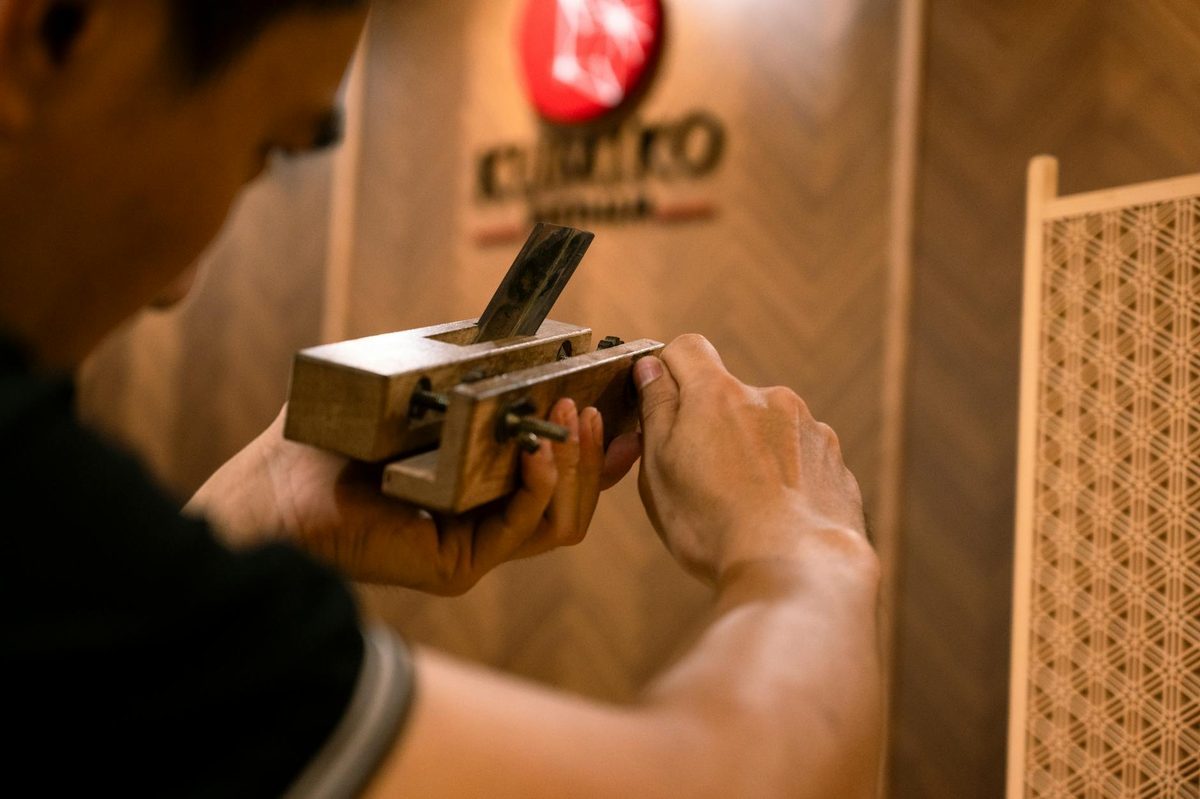 Photo by Dau Photograph via Pexels
What Mass Production Actually Looks Like
To understand what shokunin-oriented manufacturers are rejecting, you need to see the alternative.
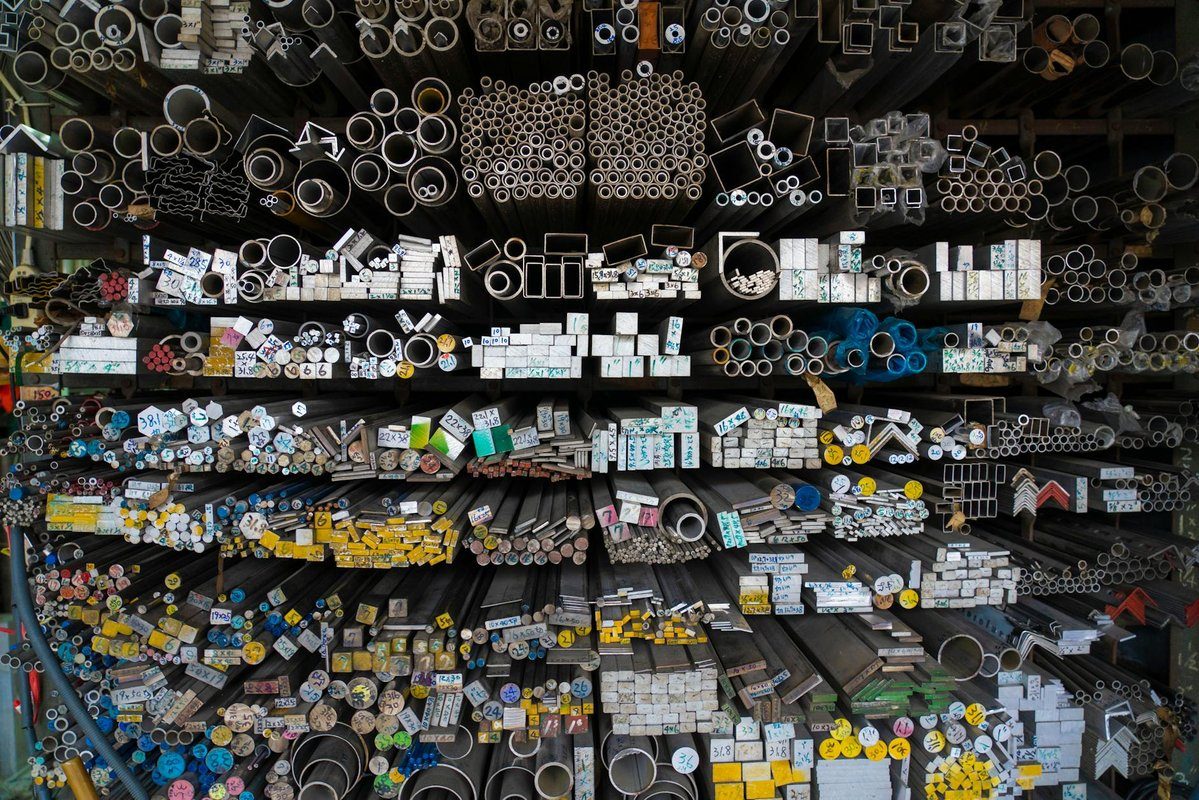
China’s scissor manufacturing industry, centred in cities like Yangjiang and Guangzhou, produces the vast majority of the world’s scissors by volume. Chinese OEM factories can produce a functional pair of hairdressing scissors for $1-7 USD. At that price point, the economics are straightforward: high volume, minimal hand work, machine-controlled processes from start to finish.
These scissors work. They cut hair. For a student or someone starting out, they can be a reasonable entry point. But there is a ceiling on what machine-only production can achieve, and that ceiling is defined by the final edge.
A CNC grinder operates at fixed parameters. It grinds every blade identically, within its mechanical tolerance. It cannot feel the steel. It cannot detect that this particular blade has a slightly different hardness distribution due to micro-variations in the heat treatment. It cannot adjust the convex geometry by a fraction of a degree to compensate.
The result is scissors that are consistent but not individually excellent. The difference may be subtle on a single cut. Over a full day of cutting, over weeks and months, stylists feel it. The scissors that were hand-tuned by a togishi have a character, a responsiveness, that machine-finished scissors lack.
The Gap Persists
There is a reasonable counterargument to all of this: machines keep getting better. CNC technology improves every year. AI-assisted manufacturing is already being deployed in some blade factories. Will the gap between handmade and machine-made eventually close?
Possibly, for certain aspects of production. Machine grinding has already reached a level where many mid-range scissors perform admirably. Brands like Juntetsu and Ichiro use a hybrid approach, combining CNC precision for early-stage work with hand finishing for final edge work, and the results are genuinely impressive for their price range.
But the final edge, the part that touches hair, remains stubbornly resistant to full automation. The hamaguri-ba convex geometry is not a simple angle. It is a compound curve with variable radii that must be matched to the specific steel alloy, heat treatment, and intended use of each scissors. Getting that right requires judgment, and judgment is what machines are worst at.
The shokunin manufacturers are not anti-technology. Mizutani uses CNC machinery extensively in early production stages. Kasho employs advanced metallurgical testing equipment. The technology handles what technology does well: precision, repeatability, measurement. The humans handle what humans do well: judgment, adaptation, feel.
The Economics of Caring
The practical consequence of the shokunin approach is higher prices. A pair of scissors that passes through 30 hand-controlled stages by specialist craftsmen with years of training costs more than a pair that rolls off an automated line. The price differential is significant: Japanese handmade scissors typically start at 30,000 yen (roughly $200 USD) and can exceed 100,000 yen ($650+ USD) for premium models.
Is that premium justified? That depends on how you think about tools.
If scissors are a consumable, something you use and replace, then the premium is hard to justify. Buy the cheapest pair that cuts acceptably and replace it when the edge goes.
If scissors are an investment, a tool you will use every day for a decade, that you will develop a feel for and a relationship with, then the calculus changes. A 50,000-yen pair of scissors that lasts 15 years with proper care costs less per year than a 5,000-yen pair that needs replacing every two years.
But the shokunin philosophy says the choice is not really about economics at all. It is about whether you believe the tool matters. Whether the person who made it matters. Whether the centuries of accumulated skill that went into its creation deserve to be preserved.
Japanese manufacturers have made their choice. They believe it does.
What This Means for Your Next Purchase
You do not need to spend top dollar to benefit from the shokunin tradition. Brands like Mina offer entry-level Japanese scissors that still benefit from Seki City’s concentrated expertise. Mid-range options from Juntetsu and Ichiro combine hand finishing with efficient production to deliver serious performance at accessible prices.
But when you are ready to invest in a premium pair, look for the markers of shokunin manufacturing: hand-finished edges, limited production volumes, manufacturer-backed sharpening services, and a company history measured in decades rather than product launches. Ask how many stages of hand work are involved. Ask about the sharpener. Ask whether the scissors are individually tested before shipping.
The answers will tell you whether you are buying a product or buying into a tradition. The Seki City manufacturers who still follow the shokunin path are not just making scissors. They are keeping alive a way of working that says precision matters, care matters, and the person who uses the tool deserves the best that human skill can produce.
That philosophy is why Japanese scissors feel the way they do. And it is why, despite every advance in manufacturing technology, the best of them are still made by hand.