Scissors vs Shears: Is There Actually a Difference?
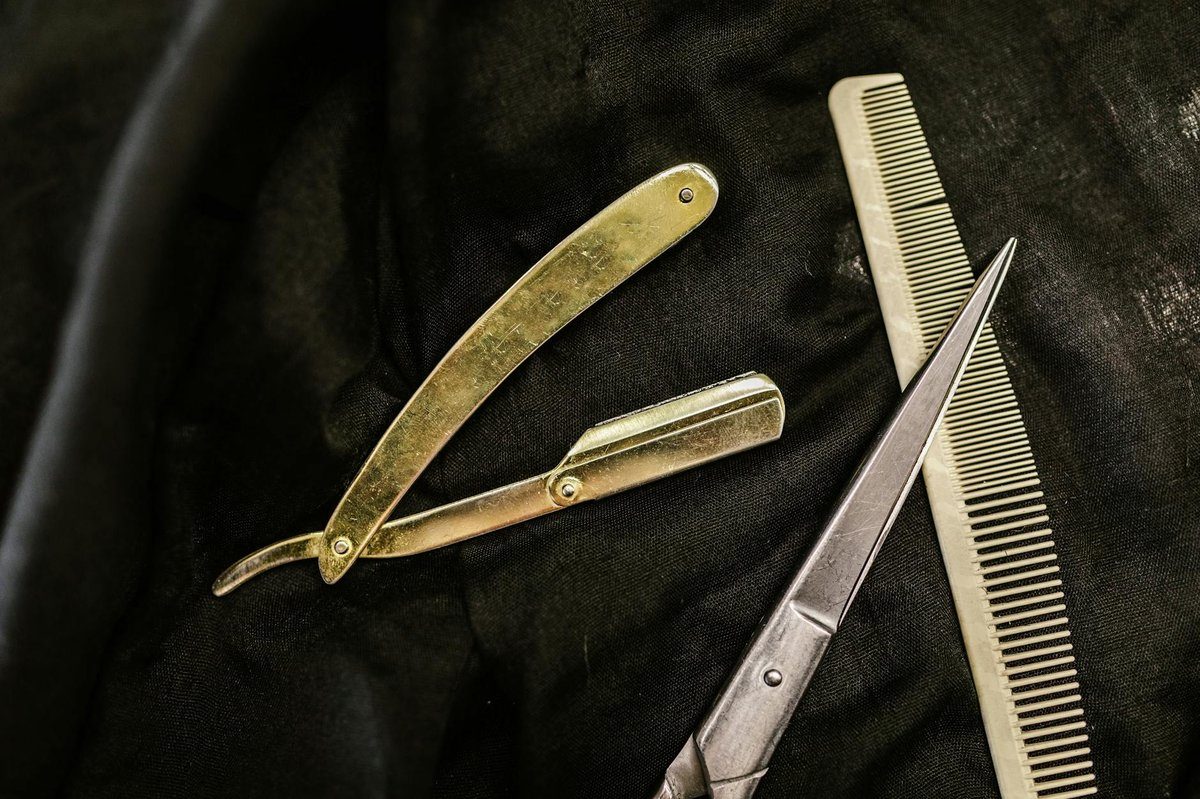
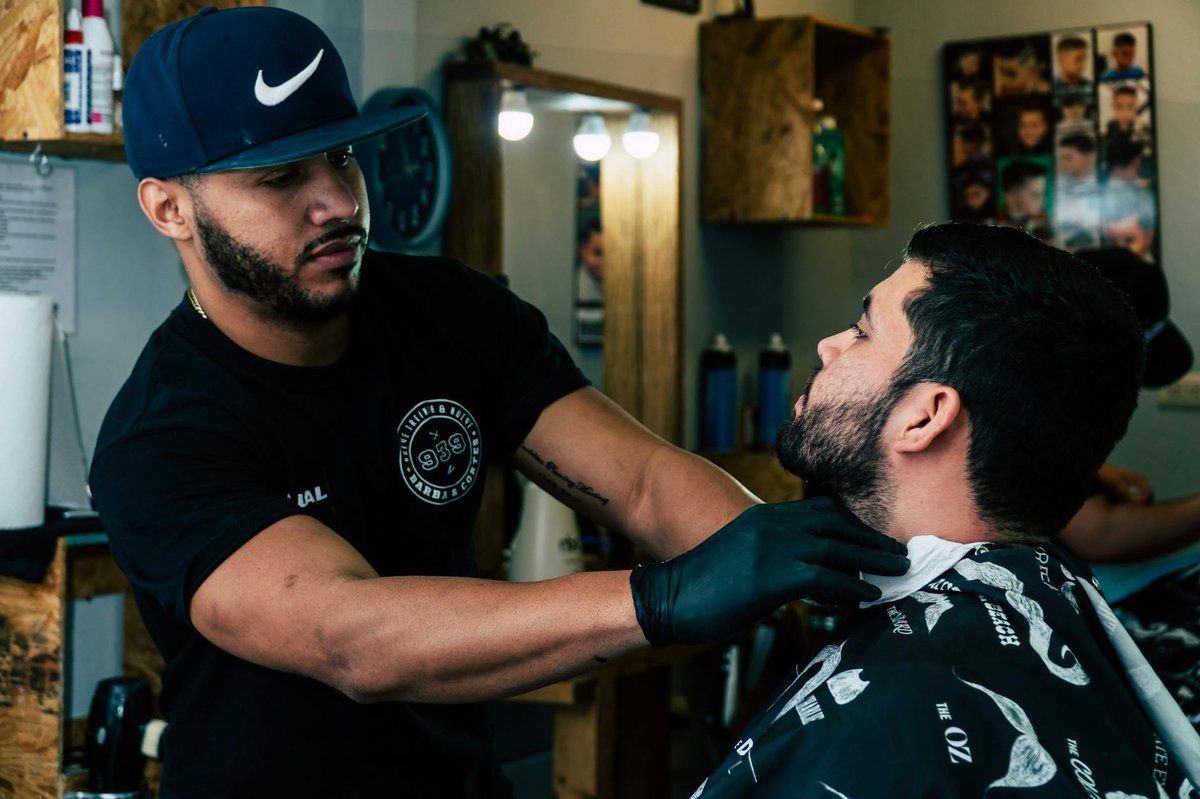
Walk into a barbershop in New York and ask for scissors, and someone will correct you. “They’re called shears.” Walk into a salon in London with the same tools and call them shears, and you will get a puzzled look. “You mean scissors?”
This terminology debate has been confusing new stylists for decades. Some training programs insist on “shears” as the professional term. Others treat the words as completely interchangeable. The internet has strong opinions in every direction.
So is there actually a difference? The answer requires a brief trip through etymology, a look at how different countries use the terms, and an honest admission that the distinction matters far less than most people think.
The Etymology: Where Both Words Come From
Scissors
The word “scissors” has a surprisingly tangled history. It traces back to the Latin word forfex (a two-bladed cutting tool) and the late Latin cisoria (cutting instrument), which passed through Old French as cisoires before arriving in Middle English as sisours around the 14th century.
The modern spelling with “sc” is actually a mistake. Renaissance scholars assumed the word derived from the Latin scindere (to cut) and added the “c” to make it look more classical. It stuck.
The French word ciseaux (still used today) shares this same root. In French, like in Japanese, there is no separate word for “shears.” All hand-held pivot-blade cutting tools are ciseaux.
Shears
“Shears” comes from a completely different linguistic tree. The Old English word sceran meant “to cut” and is related to the Old Norse skera and the Dutch scheren. This is the same root that gives us “shear” as a verb (shear sheep, shear metal) and “share” in its oldest sense of cutting or dividing.
Shears originally described any large cutting tool operated with two hands or significant force. Think sheep shears, garden shears, metal shears. The word implied size and power rather than precision.
The Traditional Distinction
The conventional rule, taught in many training programs and repeated in trade publications, goes like this:
| Feature | Scissors | Shears |
|---|---|---|
| Length | Under 6 inches | Over 6 inches |
| Finger holes | Equal size | Unequal (larger thumb ring) |
| Primary use | Detail work, precision | Bulk cutting, longer strokes |
| Historical context | Sewing, grooming | Tailoring, fabric cutting |
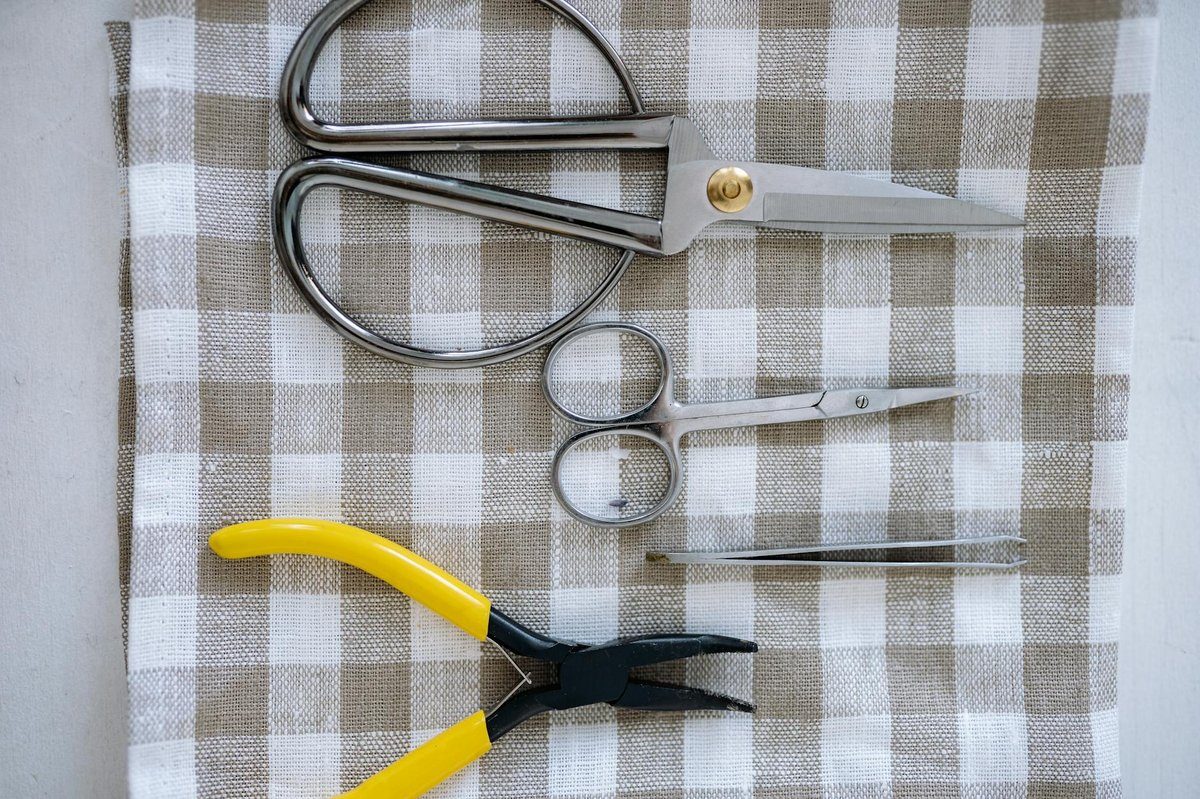
This distinction made practical sense in the 18th and 19th centuries when the tools were genuinely different. Tailoring shears were large, heavy, and designed to cut through multiple layers of fabric on a flat surface. Sewing scissors were small, light, and designed for thread snipping and detail work. The size difference was dramatic – 12-inch tailoring shears versus 4-inch embroidery scissors.
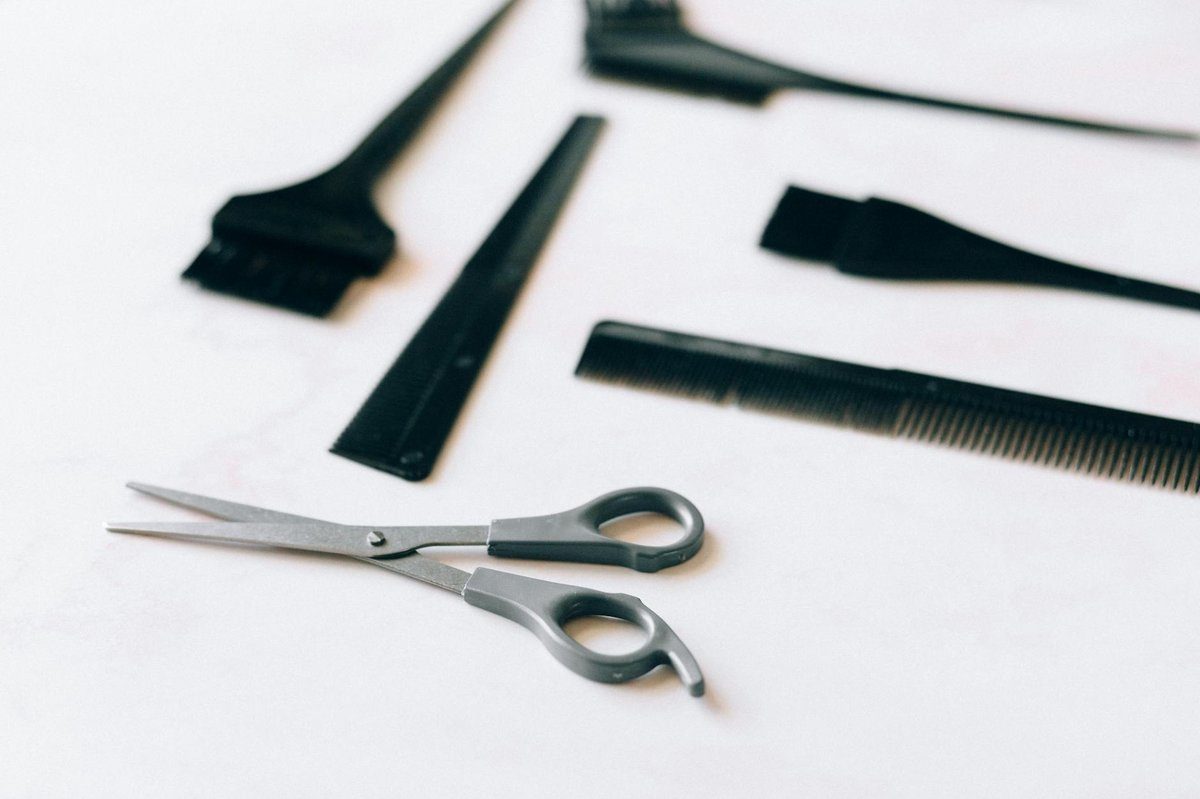
But professional hairdressing scissors occupy the awkward middle ground of 4.5 to 7 inches. They do not fit neatly into either category, and the unequal-finger-hole distinction disappeared decades ago as ergonomic handle designs became standard across all sizes.
How Different Regions Use the Terms
This is where it gets interesting. The terminology split is almost entirely geographic.
United States
American professional hairdressing culture strongly favours “shears.” Cosmetology schools, trade magazines, and professional retailers predominantly use “shears” for any professional haircutting tool. Calling them “scissors” in an American salon can mark you as an outsider or a beginner, though the tools themselves are identical.
The preference likely comes from the American cosmetology education system, which historically distinguished professional tools (“shears”) from household tools (“scissors”) to emphasise the investment and skill involved.
United Kingdom
British hairdressing culture says “scissors” almost universally. Professional scissors, hairdressing scissors, cutting scissors. The word “shears” in Britain more commonly refers to garden shears or fabric shears. Calling your hairdressing tools “shears” in a London salon would sound oddly formal, like calling your car a “motor vehicle.”
Australia and New Zealand
Following British convention, Australian and New Zealand professionals say “scissors.” The professional market, training programs, and retailers all use this term.
Germany
German uses Schere (singular) or Scheren (plural) for all scissors and shears. There is no distinction. The Solingen tradition, home to manufacturers like Jaguar, uses Haarschere (hair scissors) or Friseurschere (hairdresser’s scissors) in product descriptions. When translated to English for the US market, these sometimes become “shears.” For the UK market, they stay as “scissors.”
Japan
Japanese has one word: hasami (鋏 or はさみ). This covers everything from kitchen scissors to professional hairdressing tools to industrial shears. The Seki City manufacturers who produce the majority of the world’s professional hairdressing scissors uniformly use “scissors” in their English-language materials. Hasami translates most naturally to “scissors,” and Japanese brands see no reason to use a different word for professional-grade tools.
This is why every Japanese brand you encounter – from Mizutani to Kasho to Yasaka – uses “scissors” in English rather than “shears.”
Where the Distinction Actually Matters
It Matters in Purchasing
If you are searching for professional tools online, you need to know that US retailers index heavily under “shears” while UK and Australian retailers index under “scissors.” Searching for “professional hair shears” on a UK site may return fewer results than “professional hair scissors.” Knowing both terms helps you find what you need regardless of which market the retailer serves.
It Matters in Education
Some cosmetology licensing exams in the US specifically use “shears” in their terminology. If your exam asks you to identify a “thinning shear” and you have only ever heard “thinning scissors,” it can cause momentary confusion. Know both terms and you are prepared for any exam in any English-speaking country.
It Does Not Matter for Quality
This is the crucial point. A tool labelled “scissors” is not cheaper, less professional, or less capable than one labelled “shears.” The label reflects the manufacturer’s market, not the tool’s quality. A pair of Japanese-made VG-10 scissors is the same tool whether a US retailer relabels them as “shears” or not.
The steel, the edge type, the handle design, and the manufacturing quality determine how well your tools perform. The word on the label does not.
Related Terminology That Also Confuses People
The scissors-versus-shears debate is just the most common terminology confusion. Here are a few others worth clearing up.
Clippers vs Trimmers
Clippers are electric tools for bulk hair removal. Trimmers are electric tools for detail work and edging. This distinction is more functional than the scissors/shears divide and is consistent across regions.
Thinning Scissors vs Blending Shears vs Texturizing Scissors
These three terms describe overlapping categories of toothed cutting tools. “Thinning scissors” is the broadest term. “Blending shears” and “texturizing scissors” describe more specific tooth patterns and cutting effects, but the terminology varies by brand and region.
Razor vs Feathering Razor vs Thinning Razor
Razors used in hairdressing come in several forms, but the terminology is more standardised than the scissors/shears divide. A hairdressing razor has a guarded blade for cutting hair. A feathering razor has a thinner, more flexible blade. A straight razor is for shaving, not haircutting (though some barbers use them for detail work).
A Note on Professional Language
Some stylists and educators feel strongly that using “shears” signals professionalism while “scissors” sounds amateur. This is a cultural preference, not a fact. The most skilled craftspeople in the Japanese scissor-making tradition use “scissors” exclusively. British hairdressers who win world championships call them “scissors.” Neither group is less professional for their word choice.
What matters is that you can communicate clearly with your colleagues, your tool suppliers, and your sharpener. If you work in an American salon, saying “shears” will avoid unnecessary correction. If you work in a British or Australian salon, “scissors” is the natural choice. If you work internationally, knowing both terms makes you fluent in the global professional language.
The Bottom Line
The scissors-versus-shears distinction is real in its historical origins but mostly irrelevant in modern professional hairdressing. Both words describe the same tool. Regional convention determines which one people use, and neither indicates quality, professionalism, or technical superiority.
When you are choosing your next pair of professional cutting tools, spend your energy on the things that actually affect your work: steel type, edge geometry, handle ergonomics, and blade length. Whatever you call the result, those factors determine how it performs in your hand.