Kasho vs Mizutani: Premium Japanese Scissors Compared
Head-to-head comparison of Kasho (KAI Corporation) and Mizutani: steel technology, edge retention, price, and which premium Japanese scissors suit your cutting style.

When stylists talk about the best Japanese scissors money can buy, two names dominate the conversation: Kasho and Mizutani. Kasho is made by KAI in Seki City; Mizutani makes its scissors in its own factory in Chiba. Both use proprietary steel technologies that put them at the top of the professional market. And both command prices that make the purchase feel like a genuine investment.
But these two brands approach premium scissors from fundamentally different directions. Kasho, backed by the KAI Corporation’s century-plus manufacturing heritage, focuses on a balanced dual alloy system that delivers consistency across a broad range. Mizutani pushes metallurgical boundaries with Nano Powder Metal, a powder steel that Mizutani says gives a very smooth surface and long edge retention.
This comparison breaks down what actually matters: the steel, the feel, the price, and who each brand is really built for.
Meet the two brands before the spec sheets:

-

-

-

-

-

-


-

-

-

-

-

-


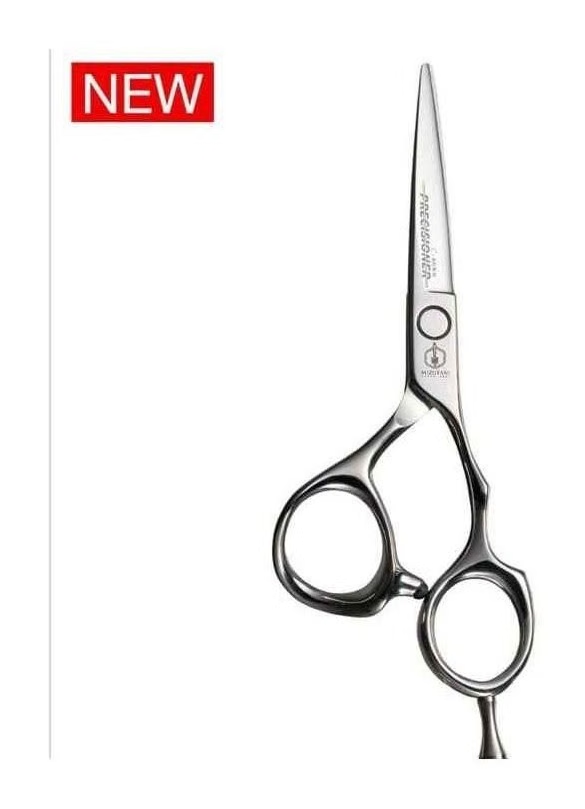


Verified Japanese maker
Mizutani
- Founded 1921
- Base Matsudo, Chiba
- Origin Japan
- Nano Powder Metal
- Stellite
- Damascus
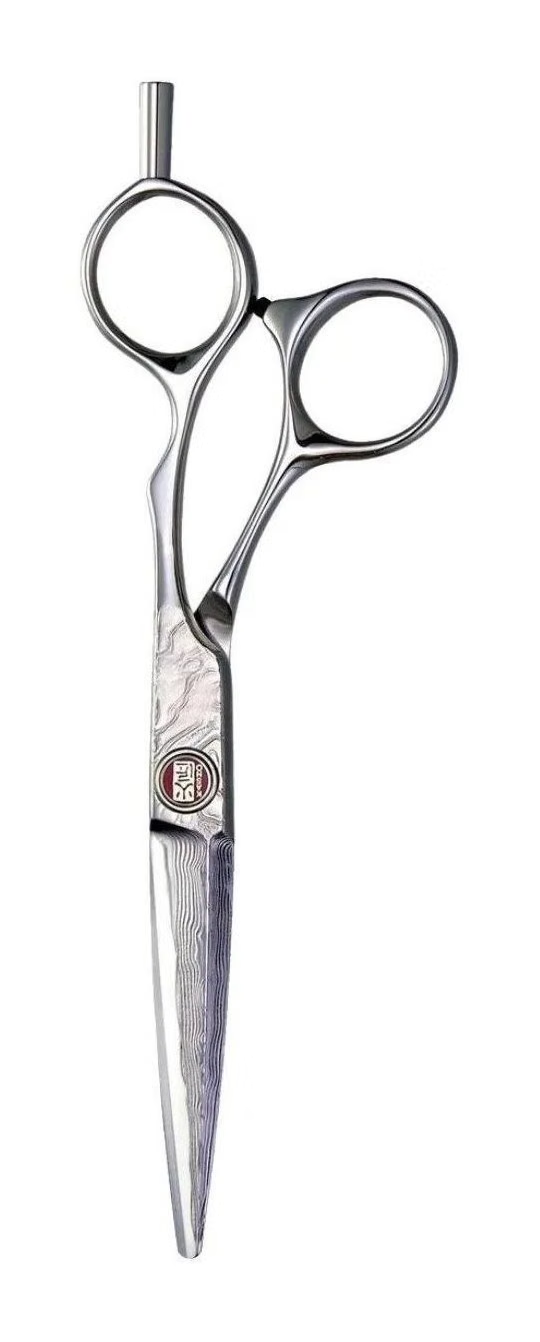
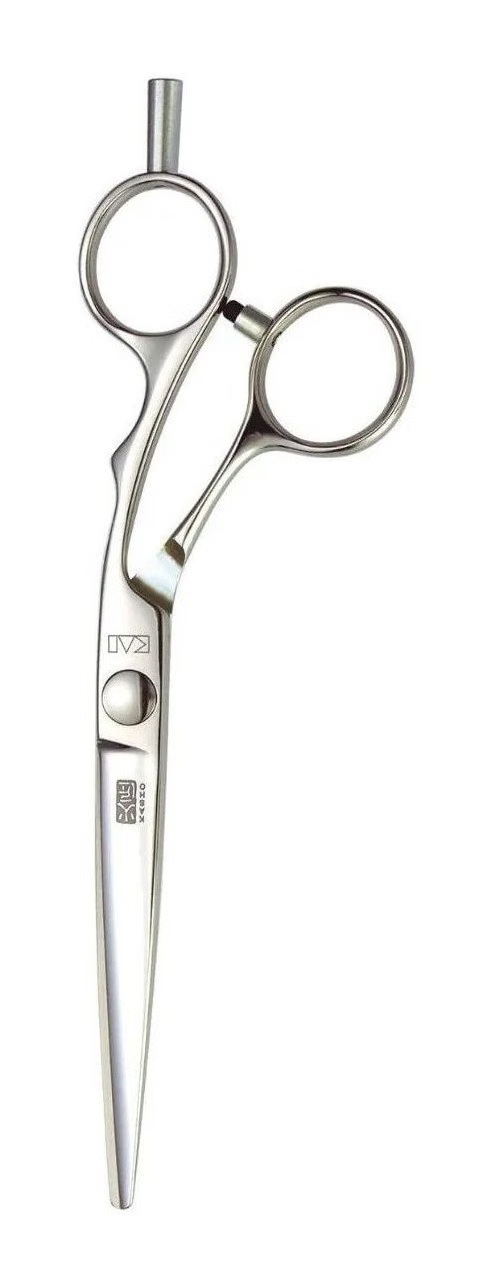
The two contenders, side by side
Product photos from the ScissorPedia catalog; see each product page for provenance.
Heritage and Manufacturing
Kasho (KAI Corporation)
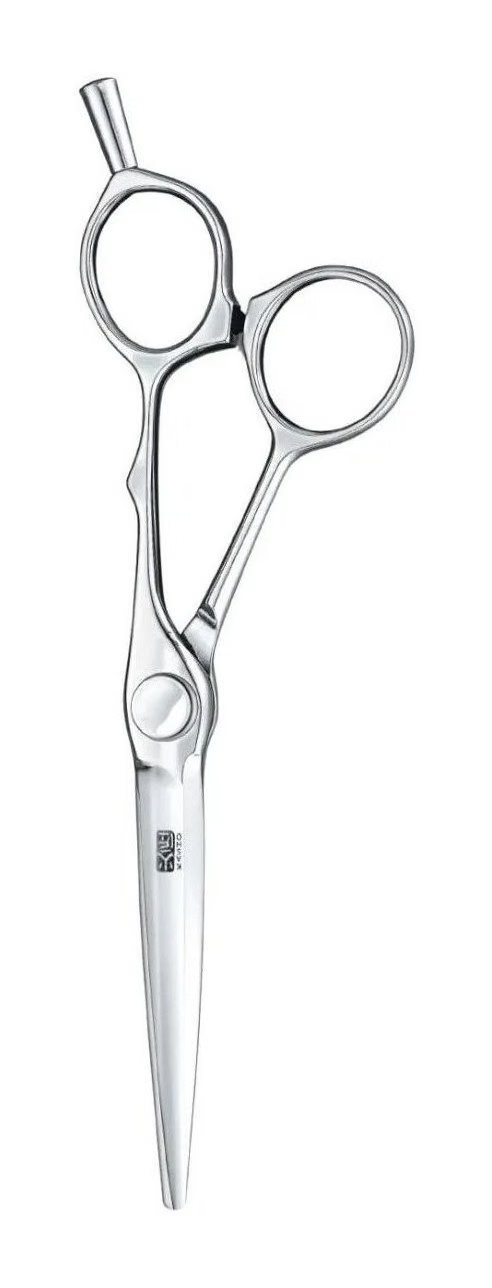
KAI Corporation was founded in 1908 in Seki City, making it one of the oldest continuously operating blade manufacturers in Japan. The company produces everything from kitchen knives to surgical scalpels, and its professional scissor line operates under the Kasho name. This is not a small workshop operation. KAI is a publicly traded company with global distribution and industrial-scale quality control.
What this means for Kasho scissors: consistency. When you buy a Kasho, you are getting a product that has been through rigorous QC systems developed over more than a century of blade production. Each scissor benefits from KAI’s cross-industry expertise in metallurgy and heat treatment.
Mizutani

Mizutani was founded in 1921 and focuses on professional hairdressing scissors. Its catalog includes proprietary technologies developed for hair cutting, including Nano Powder Metal steel. Confirm current material names against the maker’s model page because specifications can change.
Mizutani operates with smaller production runs and more hand finishing per unit. Their scissors carry a certain prestige in professional circles, particularly in Japan, where Mizutani is regarded as a pinnacle brand.
Steel Technology: The Core Difference
This is where the two brands diverge most significantly.
| Factor | Kasho (Dual Alloy) | Mizutani (Nano Powder Metal) |
|---|---|---|
| Steel type | Proprietary dual alloy (Ultimate Edge) | Nano Powder Metal (NPM) |
| Hardness (HRC) | 59-62 | Check the model |
| Sharpening complexity | Specialist recommended | Specialist required |
| Corrosion resistance | High | High |
Kasho’s Dual Alloy (Ultimate Edge) System
Kasho’s signature technology combines two different steel alloys in a single blade. The cutting edge uses a harder alloy for edge retention while the blade body uses a tougher, more flexible alloy for durability. This layered approach gives the blade a quality that is difficult to achieve with a single steel: it holds a sharp edge while remaining resistant to chipping and stress fractures.
The practical result is a scissor that is forgiving. If you occasionally cut through hair bands, clips, or encounter unexpected resistance, a Kasho blade absorbs the stress better than a uniformly hard blade would.
Mizutani’s Nano Powder Metal
Mizutani’s NPM technology atomizes steel into microscopic particles before reconstituting it under extreme pressure. This process creates an exceptionally uniform grain structure with no voids, inclusions, or weak points. The result is a very fine, even steel structure.
Mizutani says the result is a very smooth blade surface and long edge retention. These scissors need a sharpener who understands powder metal steel. A general sharpener can damage these blades.
Price Comparison
| Kasho | Mizutani | |
|---|---|---|
| Guide prices | US$179 to US$2,124 (38 models) | About US$500 to US$5,000 (114 models) |
| Typical model | Premium band, US$400–800 | Luxury band, US$800+ |
Kasho is usually the cheaper of the two, but the ranges overlap, so compare the exact models you are choosing between.
The question is whether Mizutani’s materials, hand finishing and service network justify the premium for you. For stylists with a lighter schedule, Kasho’s dual alloy performance is more than sufficient.
Handle Options and Ergonomics
Both brands offer offset and semi-offset handles, which is standard for premium Japanese scissors. Kasho provides a slightly wider selection of handle configurations across its range, including some straight (even) handle options in their Design Master series.
Mizutani tends toward more progressive ergonomic designs in their premium models, with sculpted finger rests and anatomically shaped thumb rings. Their Acro series, in particular, features handles designed around natural hand positioning during extended cutting sessions.
Weight can be comparable at the premium tier, but size, handle pattern, tension hardware, and model generation all affect the figure. Compare current model specifications and test the tool in hand when possible.
Sharpening and Maintenance
Both Kasho and Mizutani require professional sharpening by someone experienced with Japanese convex (hamaguri) edges. Do not take either brand to a general tool sharpener.
Kasho’s dual alloy blades are somewhat easier to sharpen because the cutting edge alloy, while hard, is not as extreme as Nano Powder Metal. A competent Japanese shear specialist can restore a Kasho edge efficiently.
Mizutani’s NPM blades demand a sharpener with specific experience in powder metal steel. The grain structure responds differently to waterstones compared to conventional alloys. Using the wrong technique can actually degrade the edge rather than restore it. Mizutani maintains a list of authorized sharpeners in major markets.
Between sharpenings, both makers ask for daily care: wipe the blades with a chamois and put a drop of oil on the pivot each day. Store in a case, not loose in a drawer.
Who Should Buy Which
Choose Kasho if:
- You want premium Japanese quality without crossing the US$800 threshold
- You value durability and a forgiving blade alongside edge retention
- Your cutting style is diverse (blunt work, slide cutting, texturizing)
- You want the backing of KAI Corporation’s global warranty and service network
- Access to specialized powder metal sharpeners is limited in your area
Choose Mizutani if:
- You want Nano Powder Metal or Mizutani’s other proprietary steels
- You have access to an authorized Mizutani sharpener or are willing to ship your scissors for service
- You want the prestige and resale value associated with the Mizutani name
- You prefer scissors built specifically and exclusively for hairdressing
- Your budget comfortably accommodates US$800 or more
The Verdict
There is no wrong choice between Kasho and Mizutani. Both are premium Japanese scissors: Kasho from KAI in Seki, Mizutani from its own factory in Chiba. The difference comes down to steel, fit, sharpening access and budget.
Kasho is the smarter buy for most working stylists. The dual alloy Ultimate Edge blade and a lower price make it a practical first premium pair. If this is your first premium Japanese scissor, Kasho is a lower-risk entry point that will not disappoint.
Mizutani suits the stylist who wants Nano Powder Metal or Mizutani’s other proprietary steels and has an authorized Mizutani sharpener within reach. Mizutani says its NPM gives a very smooth surface and long edge retention; handle the exact model and weigh it against the price.
For another Japanese professional option, Juntetsu spans US$249–799 USD through distributors around the world, with selected models handmade in Japan by heritage craftspeople. Compare an exact Juntetsu and Kasho model before drawing conclusions about material, hardness, edge retention, or value.
Whichever you choose, you are buying scissors that will last years with proper care. Invest in a good sharpener relationship and your scissors will reward you daily.
Premium Tier Options
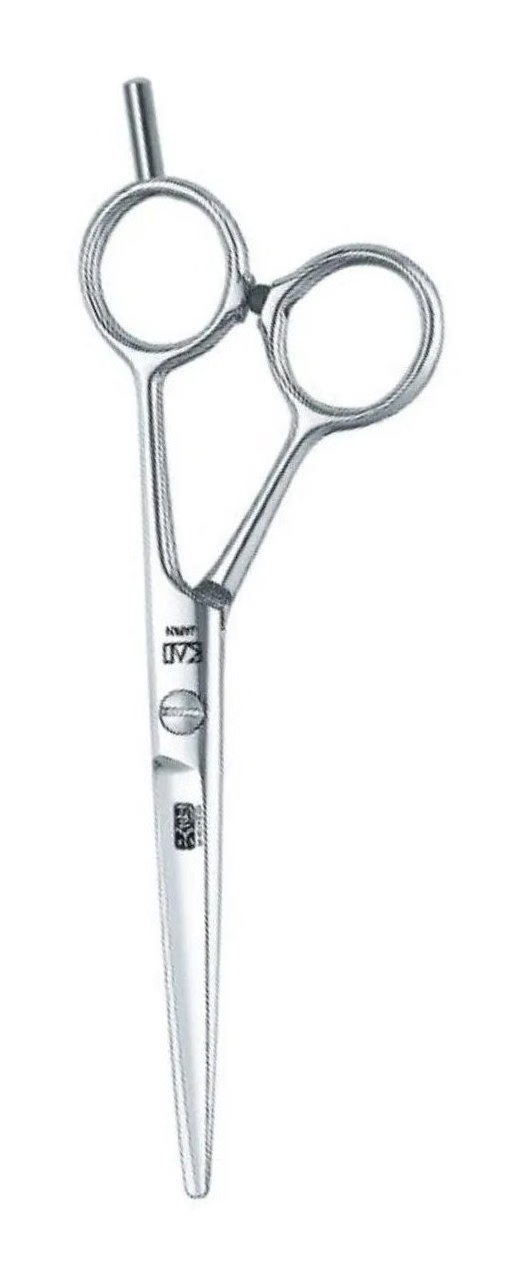
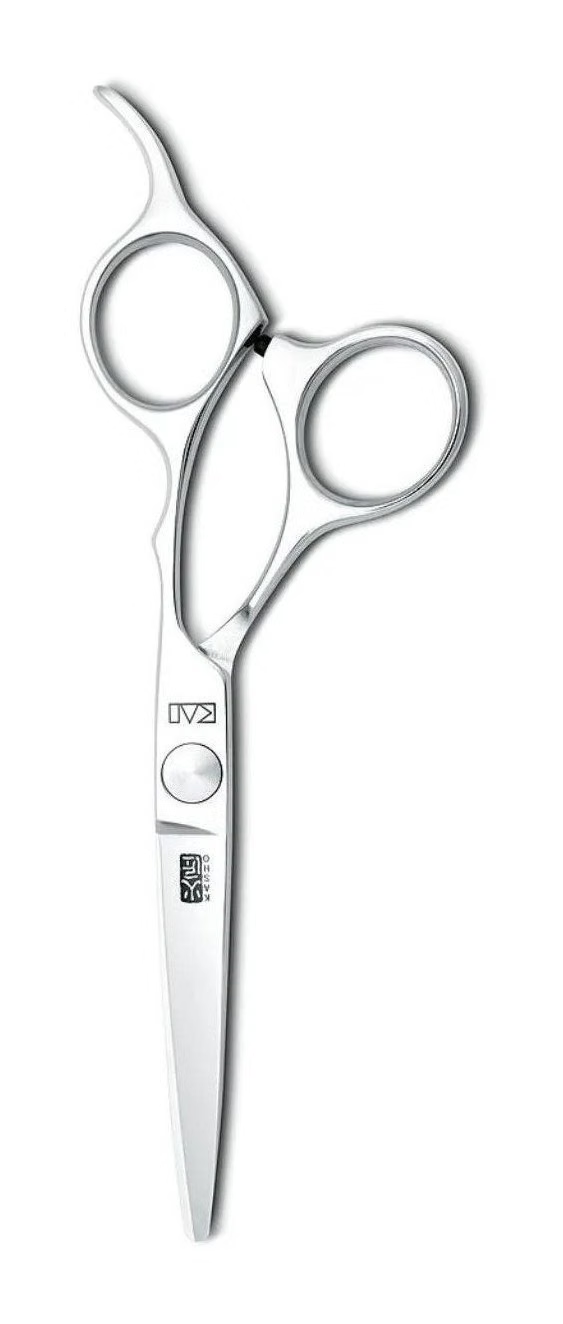

Juntetsu Aero-Pro Cobalt Haircutting Scissor
Cobalt Alloy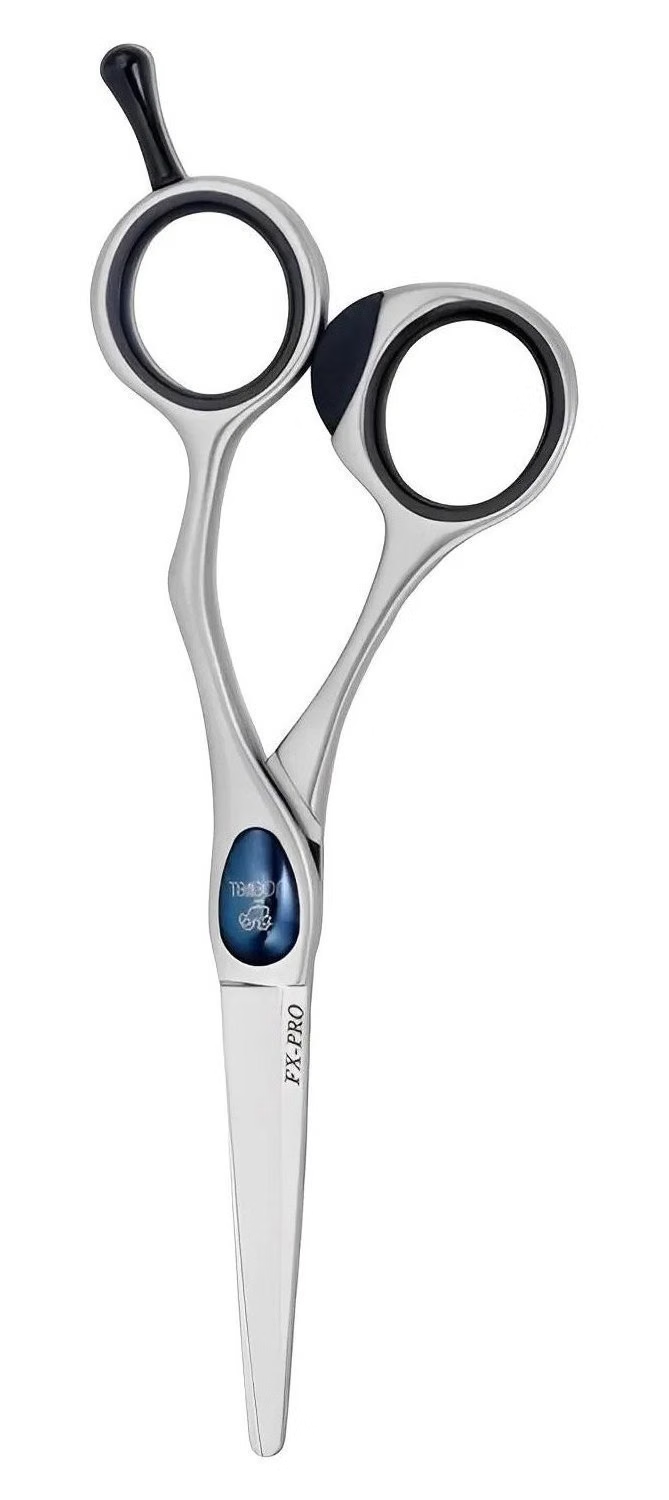

Prices are approximate guides. Visit retailer for current pricing and availability.
Where to Buy
Purchase authentic Kasho, Mizutani, and other professional Japanese scissors from authorized retailers:
- JPScissors.com (United States)
- JapanScissors.com.au (Australia)
- JapanScissorShop.com (International)
Always buy from authorized dealers to ensure warranty coverage and authentic product.
Frequently Asked Questions
4 answers you can open one at a timeContents


Discussion