Buying Your First Professional Scissors: A Practical Guide
Choose a first professional hair scissor by task, handedness, fit, trial terms, service access, and total cost, with clear exact-product examples.
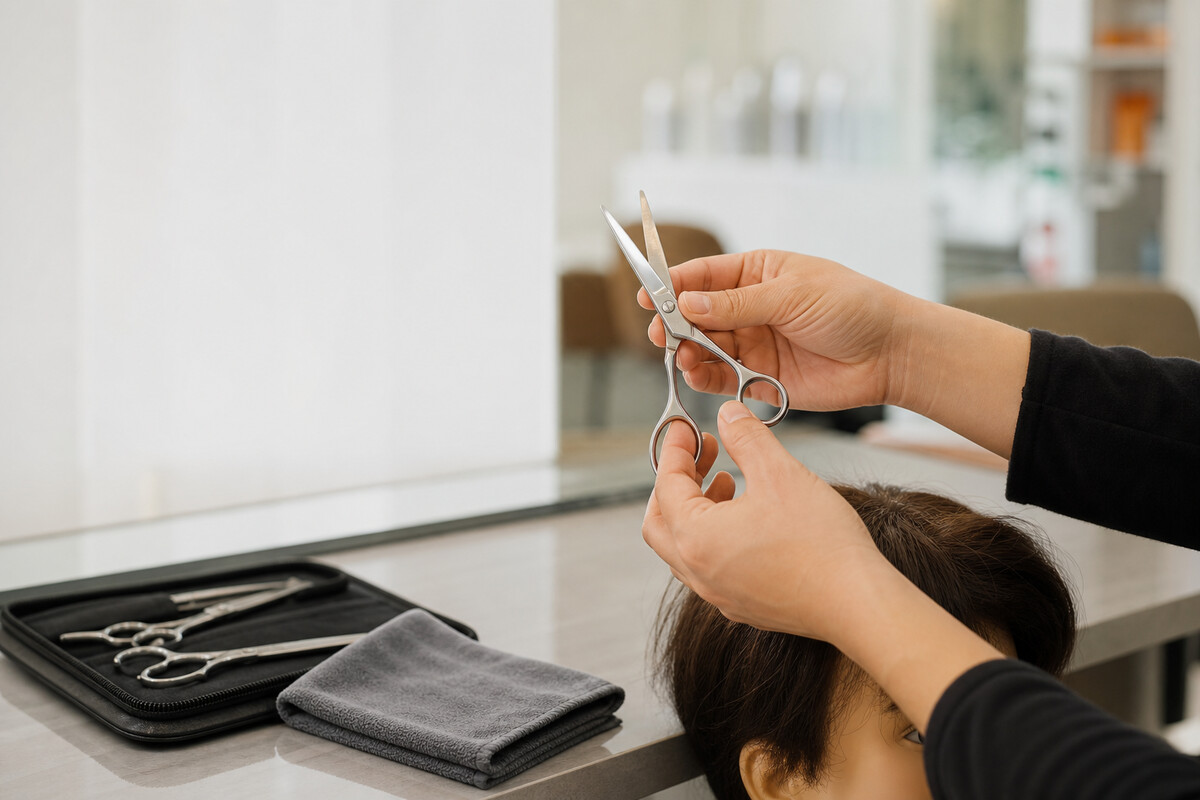
Your first professional scissor does not need to be a forever tool. It needs to meet the course or workplace requirement, fit your hand, support the tasks you are learning, and come with a workable return and service route. A short written brief keeps the purchase practical and easier to compare.
Quick answer
Define the job first. Confirm handedness. Compare two or three exact models. Trial them inside the written return conditions, then choose the least expensive option that gives you reliable control and support.
Seven exact first-pair comparison routes
-

-
-
-
-
-
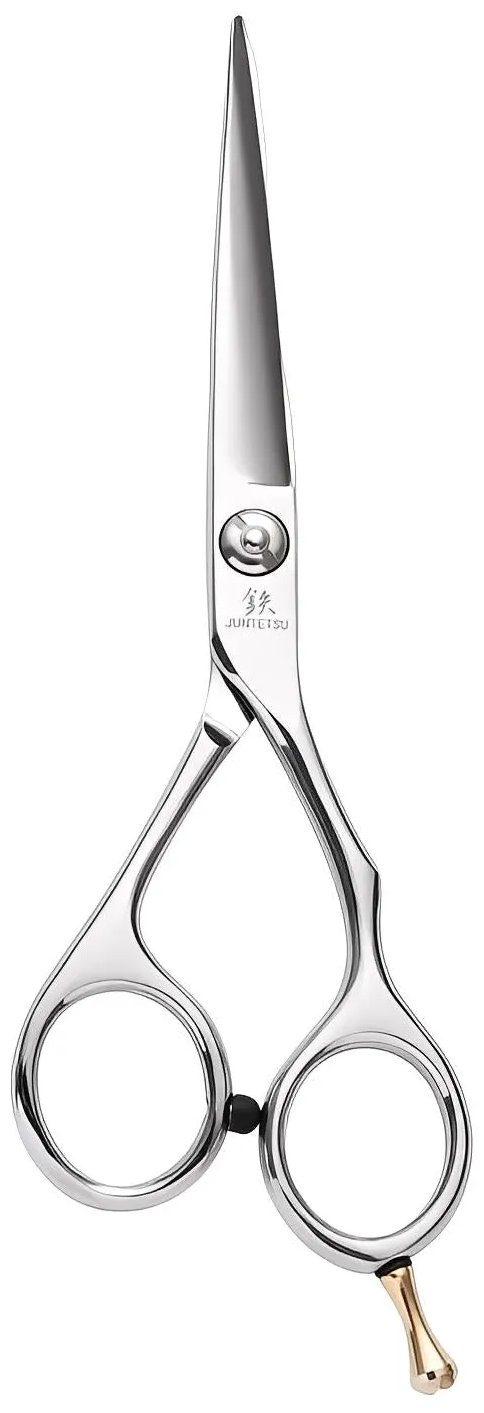


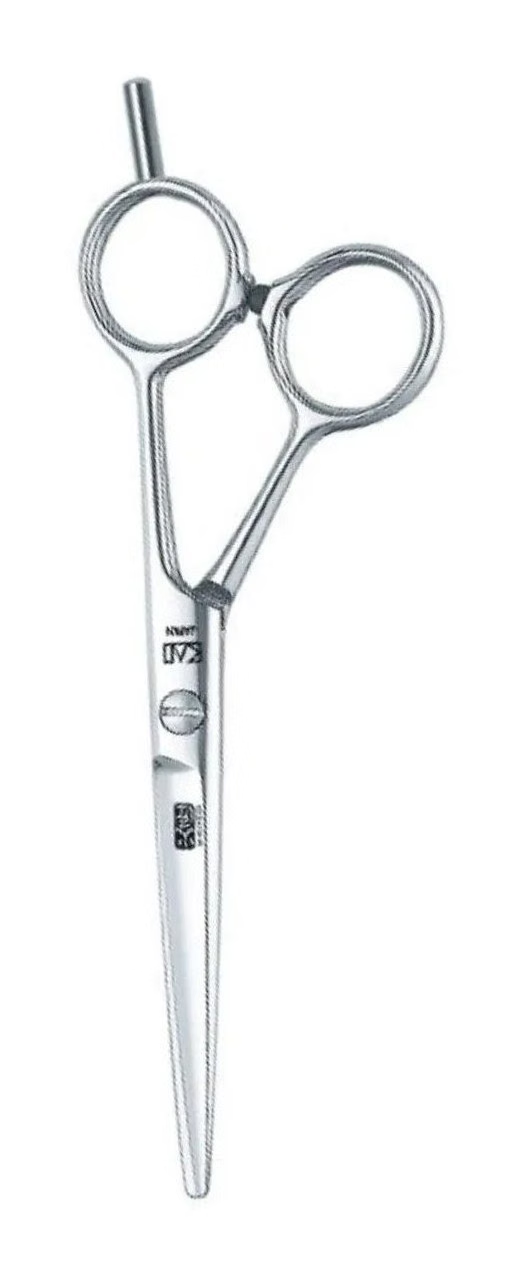

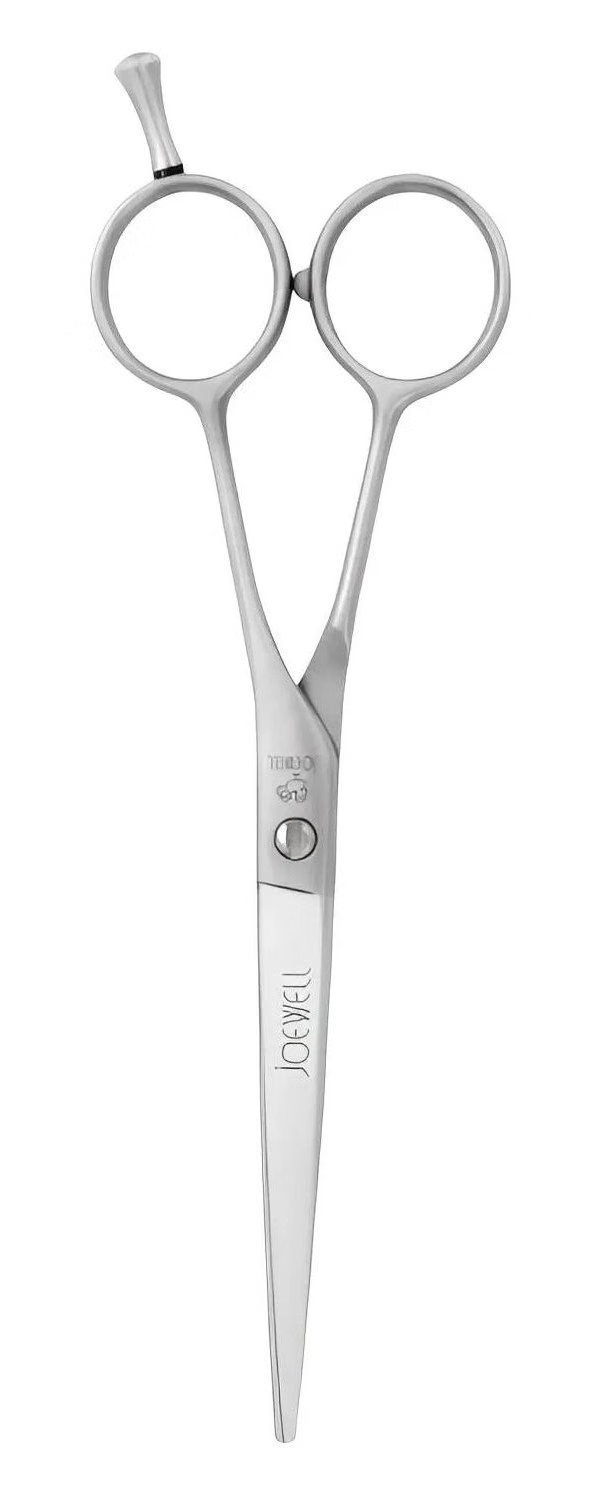
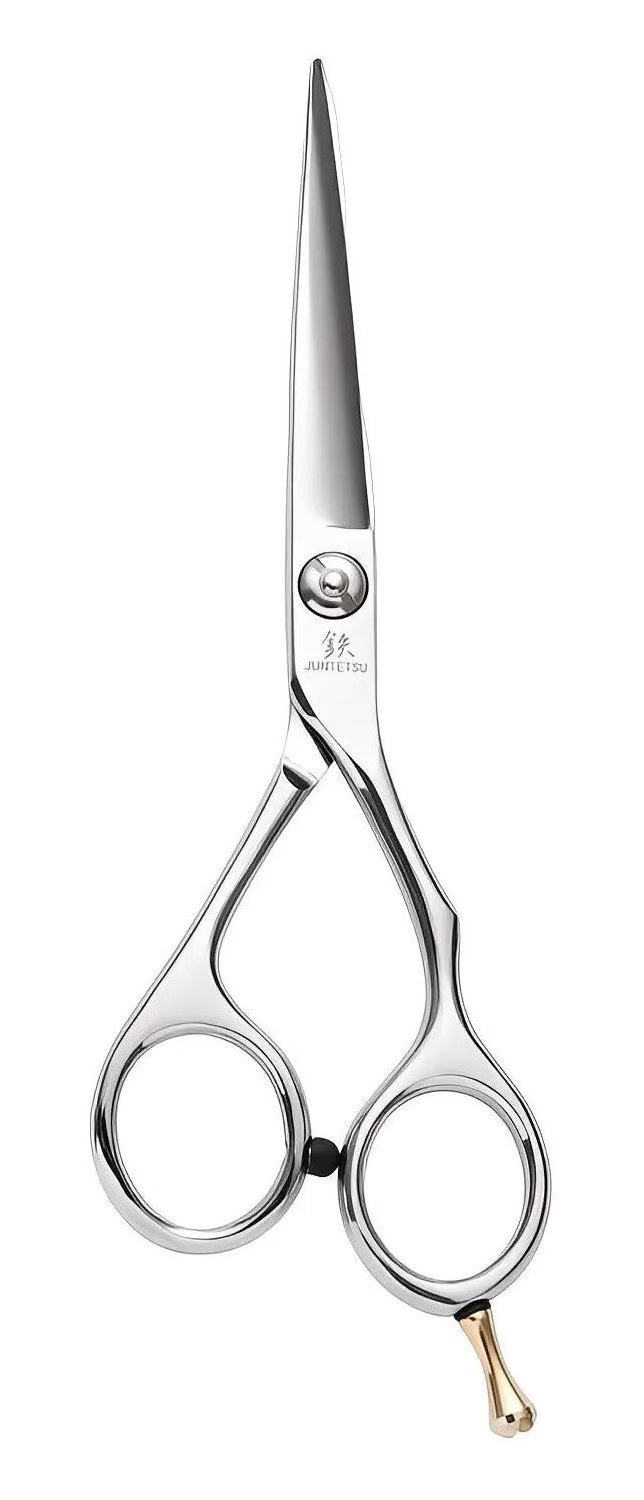
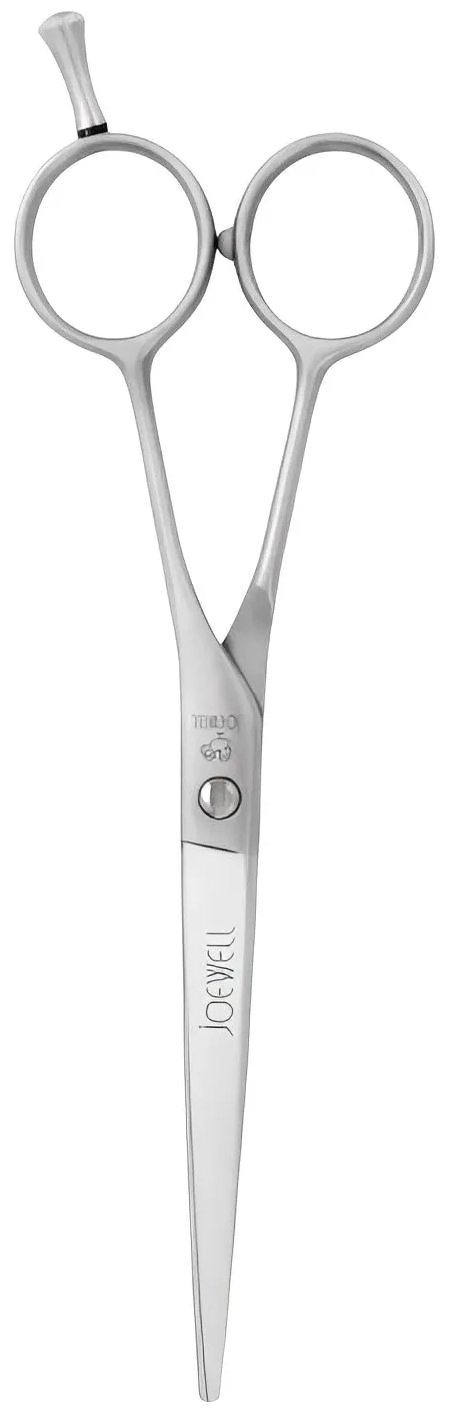
Product photos from the ScissorPedia catalogue; see each product page for provenance.
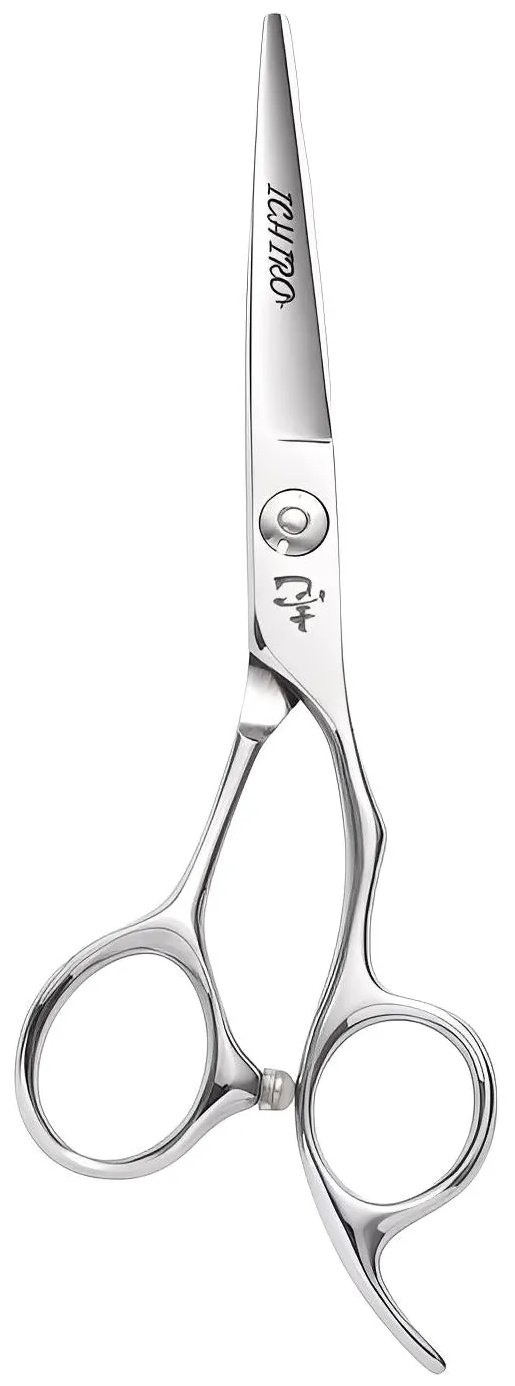
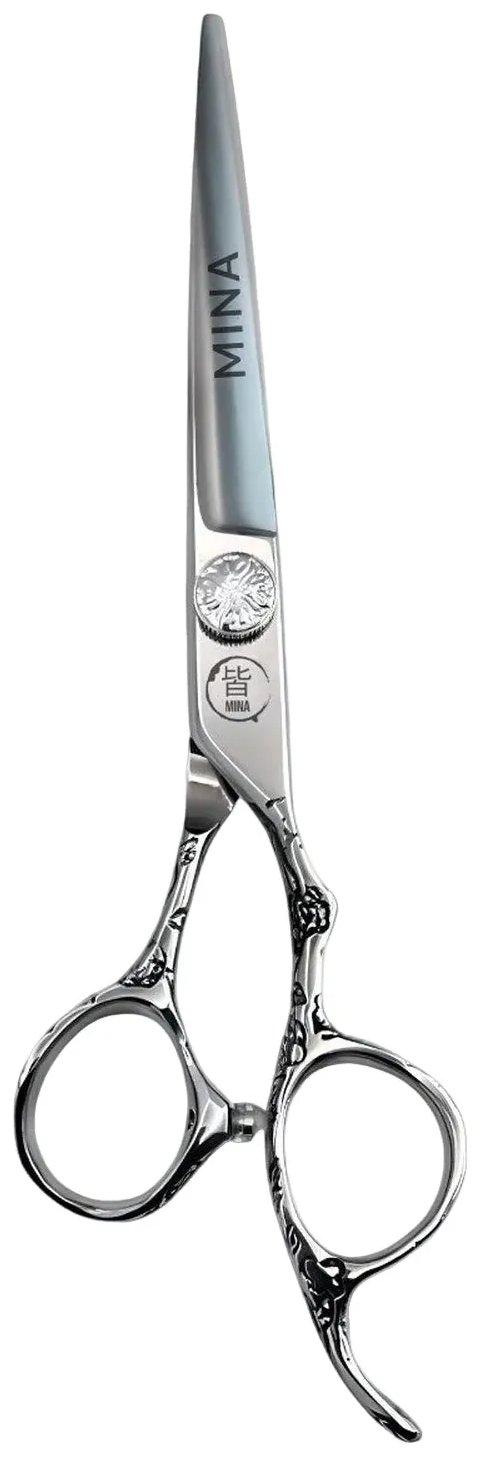
These cards show four useful routes, not a universal ranking:
- Yasaka Offset: a Japanese-made convex cutter with an offset handle for a straightforward everyday comparison.
- Ichiro Ergo Apprentice: a focused 440C, convex, offset configuration designed around the learning stage.
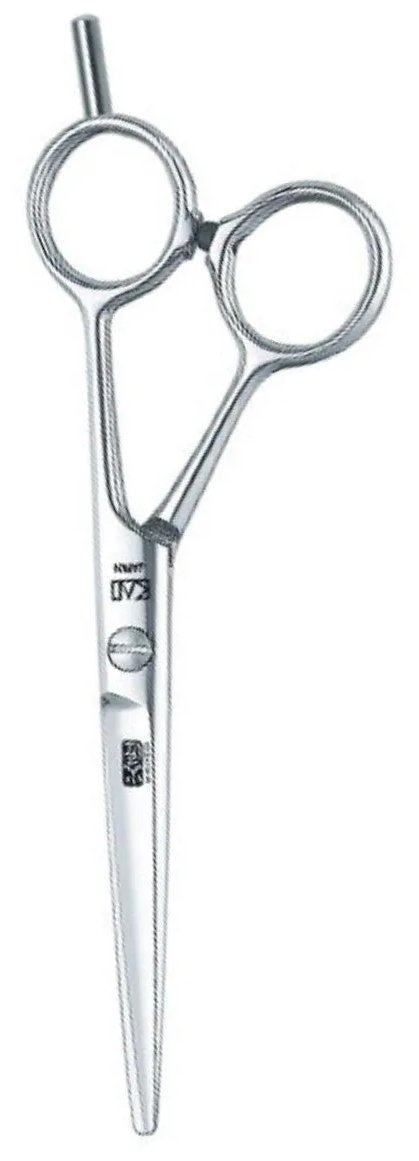
- KASHO Blue Offset: a compact VG-10W convex cutter with an offset handle and disc-operation pivot.
- Mina Sakura II: a SUS440C cutter with five sizes and a distinctive cherry-blossom finish, making size comparison easier within one design.
- Joewell Classic PRO: a classic-handle convex cutter with compact size choices and a precision flat screw.
- Juntetsu Classic II: a VG-10 offset cutter with broad size choice for buyers comparing a different material and reach.
- Jaguar Pre Style Ergo P: a separate German, micro-serrated route for buyers whose training brief favours that exact blade and classic handle.
Step 1: write the brief
Before looking at brands, ask the educator or workplace:
- Must the tool be truly left- or right-handed?
- Which blade lengths are accepted?
- Is a cutter required, or a cutter and thinner?
- Are coloured coatings, removable rests, or certain edges restricted?
- Which tasks will be assessed?
- Is there an approved service provider?
This prevents a visually appealing purchase from failing a practical requirement.
Step 2: compare the complete model
| Field | What to record |
|---|---|
| Identity | Maker, model code, handedness, size, and condition |
| Cutting build | Maker’s blade, edge, material, and task wording |
| Handle | Position, rings, inserts, rest, and pivot |
| Package | Single cutter, set contents, case, tools, and spare parts |
| Exit | Clean-trial rules, deadline, fees, and return destination |
| Support | Warranty, sharpening, repair, parts, and expected downtime |
| Cost | Item, tax, delivery, return exposure, service, and backup |
A steel label or country name cannot fill the other rows.
Step 3: try fit without forcing a verdict
Follow the seller’s handling rules and use approved practice material only when permitted. Record:
- ring contact with the supplied inserts;
- thumb travel and release without gripping;
- blade visibility and reach;
- balance through a slow open-and-close cycle;
- control in one representative task; and
- any catching, folding, pushing, noise, or increasing effort.
Do not assume an offset, crane, swivel, or classic handle is “ergonomic” for everyone. Comfort is individual and can change with technique, duration, and setup. Stop if pain, numbness, or loss of control develops.
Size: choose reach you can control
Shorter and longer blades change the working reach; they do not map neatly to experience level or hand size. Compare the maker’s measurement convention, because nominal sizes are not always measured the same way.
Choose a length that lets you see and control the tip for the taught task. If the curriculum spans detail work and longer sections, ask whether one approved size covers both or whether a later specialist tool makes more sense.
Cutter first, set when the role is clear
A matched set can be convenient, but a lower combined price does not prove that both tools fit or that the thinning pattern matches the curriculum. If a thinner is not yet required, a verified cutter and dependable backup may be the cleaner purchase.
When a set is required, check each piece separately: handedness, size, tooth geometry, cut-ratio wording, handle, image, and service eligibility.
Budget without a magic number
Use a personal ceiling:
usable first-pair budget = purchase + delivery + tax + setup + expected service + return risk + backup allowance
Japanese ranges from Yasaka, Ichiro, KASHO, Mina, Joewell, and Juntetsu provide different sizes, handles, edges, and set formats. Compare those exact details alongside Jaguar and other suitable brands, then choose the tool that best matches the brief and your hand.
Paying more can buy a different material, finish, pivot, set, or level of service. It does not automatically buy comfort, control, edge life, or a better result.
Verify the seller before paying
Start at the maker’s official domain or current country route. Match the exact seller identity and account, then save:
- the dated product page and model code;
- stock status and fulfilment location;
- full delivered price and payment protection;
- clean-trial and return conditions;
- warranty eligibility and claim recipient; and
- the named inspection and service path.
A marketplace badge, social message, event discount, or copied “authorised” logo is not enough on its own.
When the scissors arrive
Before removing tags or cutting hair, compare the tool with the order. Check model, handedness, size, finish, included pieces, visible damage, blade contact, pivot action, and packaging. Photograph the condition and contact the seller before adjustment if anything does not match.
Keep the case, invoice, written terms, and model details. Learn the maker’s cleaning, drying, lubrication, tension, storage, and service instructions.
The practical shortlist
Choose the exact model that satisfies the training brief, fits under a permitted trial, stays inside the complete budget, and has a credible return and service route. Add specialist tools later when a real task, not pressure or fear of missing out, creates the need.
Students can continue to the Scissors for Hairdressing Students and Apprentices guide. For broader price context, see Professional Scissors by Price.
Models, specifications, availability, and prices can change. Verify the current seller, delivered total, return terms, warranty, and service route before buying.
Contents