
Cutting Techniques
Every haircut is built from a small set of fundamental techniques. Mastering the foundations — sectioning, elevation, tension, and shear mechanics — gives you the control to execute any style. This hub maps every cutting method to the tools and knowledge that support it.
Building Your Technique Stack
Start with Foundations
Before specializing, every stylist needs command of the five cutting fundamentals: sectioning discipline, elevation control, finger angle and tension, body position, and shear mechanics. These aren't abstract concepts — they're the muscle memory patterns that determine whether a graduation falls flat or flows, whether a bob line is clean or jagged, and whether you can work for 8 hours without pain.
The Precision-Texture Spectrum
Professional cutting techniques fall on a spectrum from maximum precision to maximum texture. On the precision end: blunt cutting, precision bobs, and shear over comb. On the texture end: point cutting, slide cutting, and notching and texturizing. Most haircuts combine techniques from across this spectrum — a precision bob might finish with point-cut ends for movement.
Tool-Technique Pairing
Each technique has an optimal tool pairing. Slide cutting demands a convex edge — a beveled edge will grab and tear. Blunt cutting works well with either edge type. Texturizing uses specialized thinning and texturizing shears with different tooth counts for different effects. Understanding these pairings helps you build a toolkit that supports your technique range rather than limiting it.
12 Technique Guides
Step-by-step technique playbooks for precision, texture, and creative cutting.

Core Shear Cutting Foundations
Strengthen the building blocks of sectioning, elevation, tension, and body mechanics before stacking advanced techniq...

Blunt Cutting Precision Playbook
Deliver flawless blunt lines with balanced tension, body alignment, and appropriate shear selection.
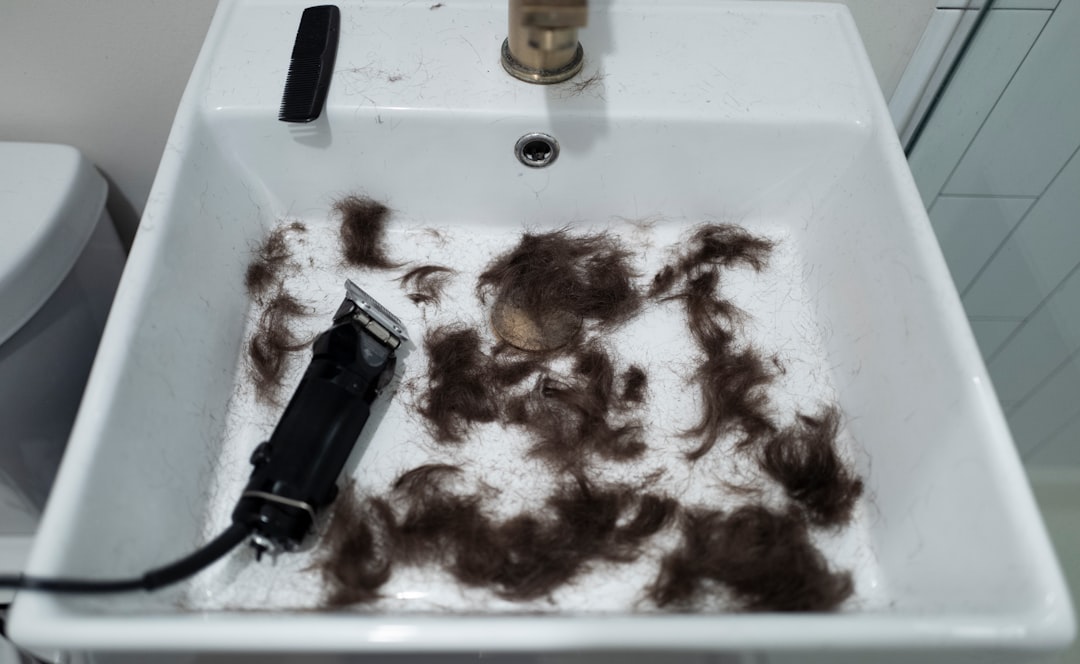
Point Cutting Essentials
Create softness and movement without losing control of your outline using structured point cutting techniques.
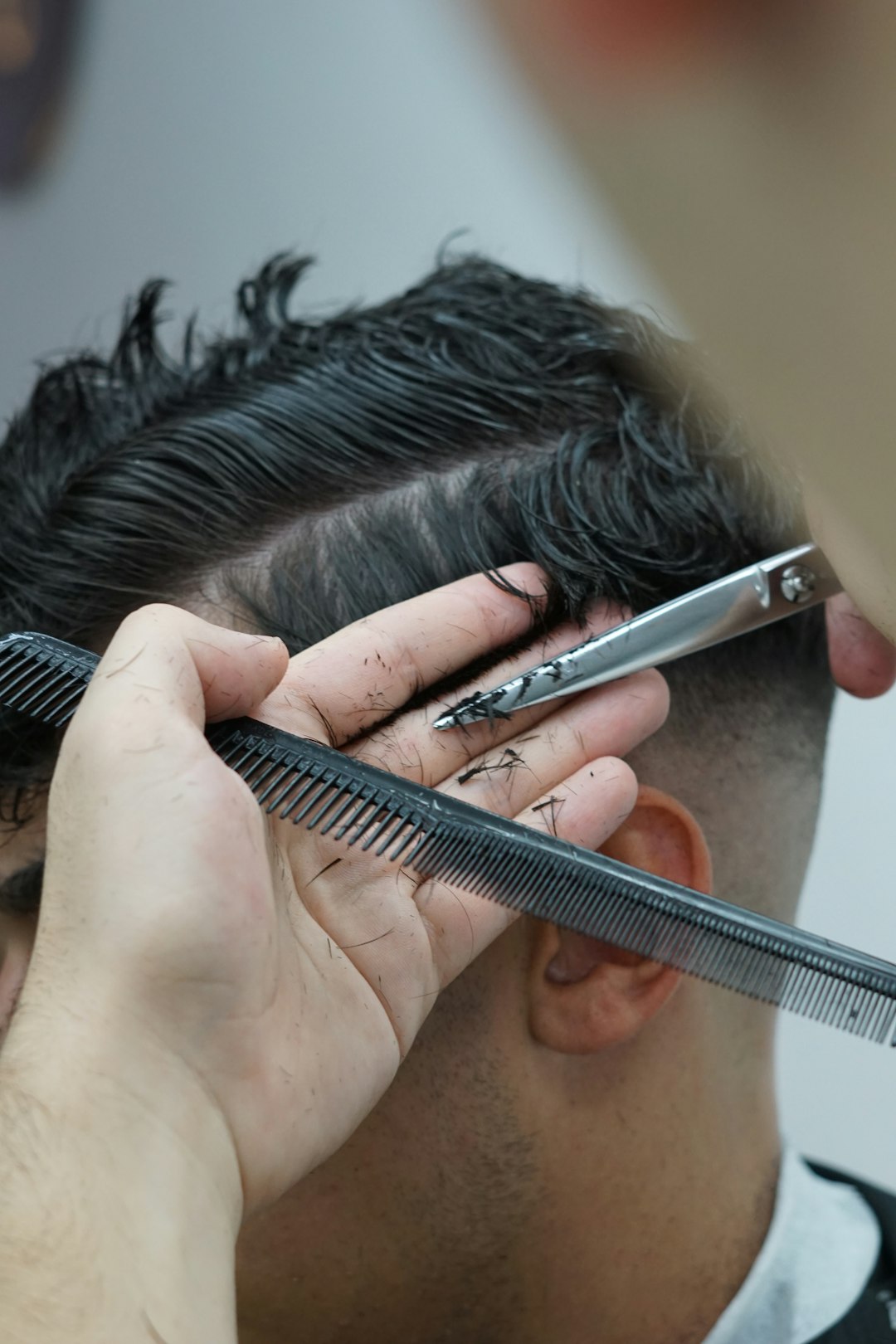
Slide Cutting for Seamless Movement
Polish layers and remove bulk with fluid slide cutting while protecting edge integrity and client safety.
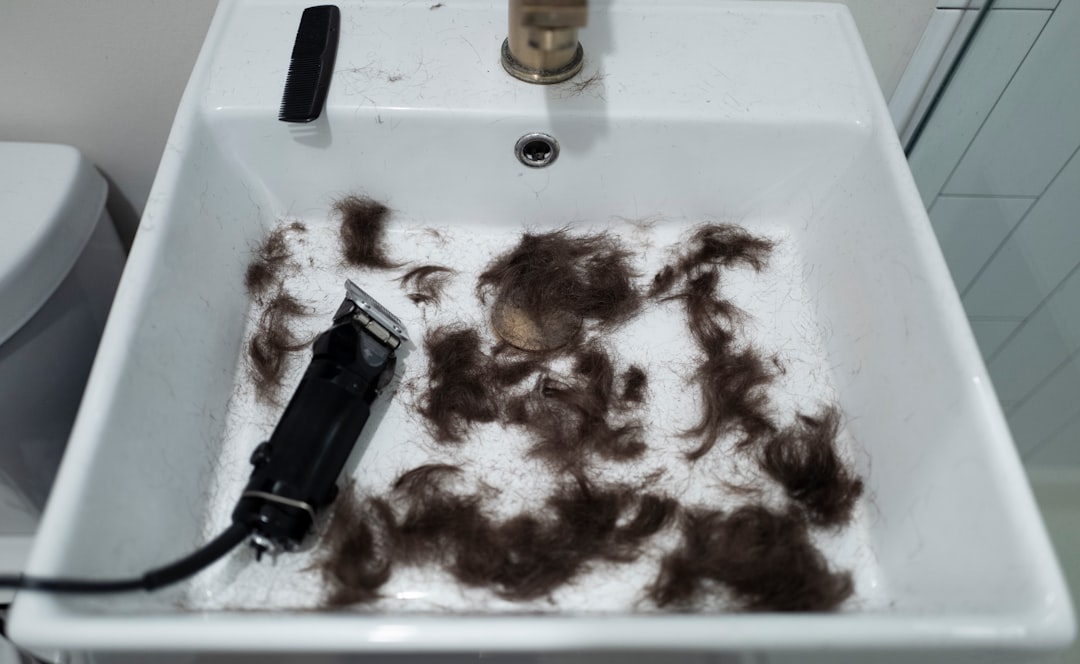
Notching & Texturizing Playbook
Use texturizers, chunking, and notching shears to sculpt volume and internal movement without compromising structure.
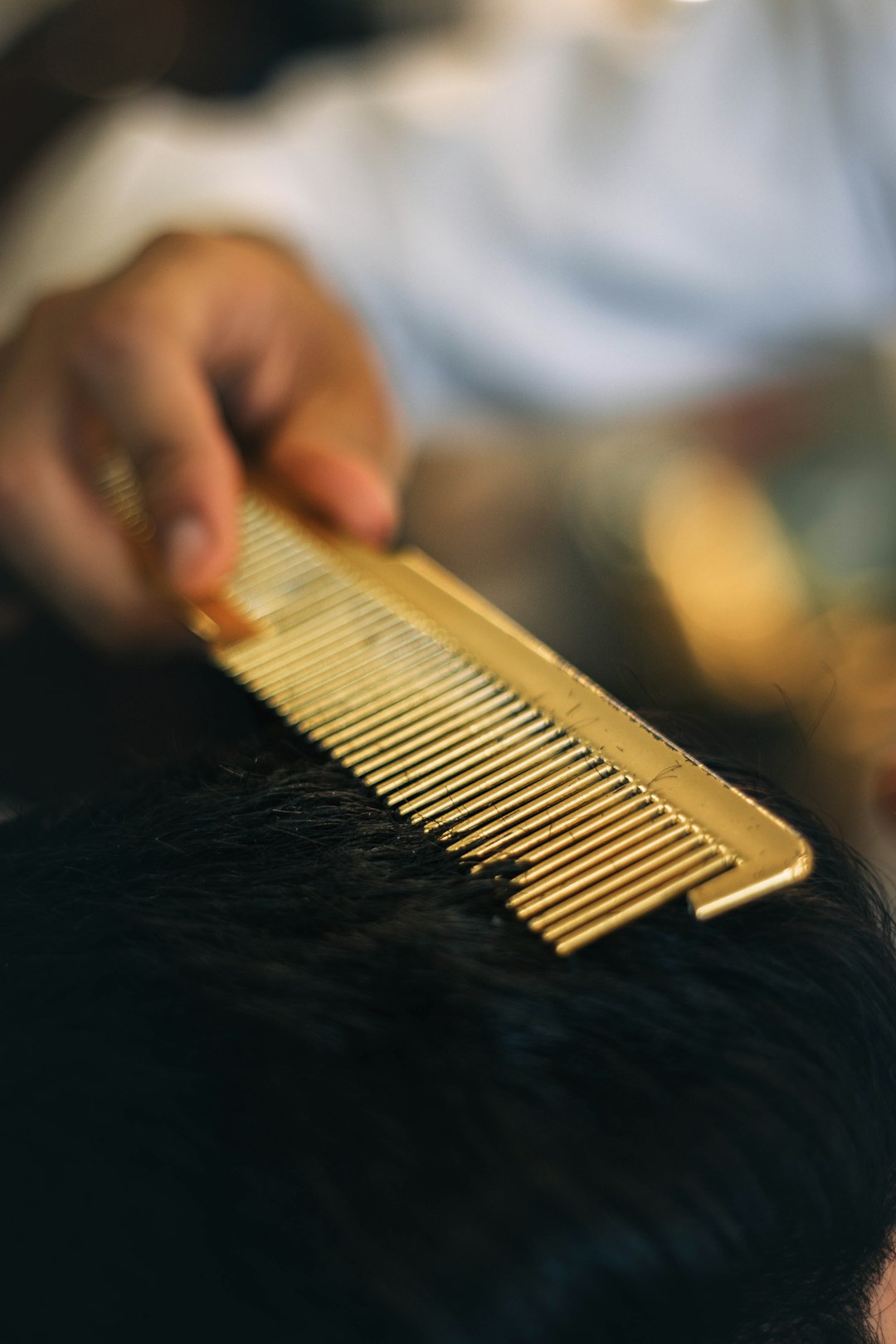
Scissor-Over-Comb Mastery
Master rhythmic scissor-over-comb work for fades, tapers, and precision men’s cuts.
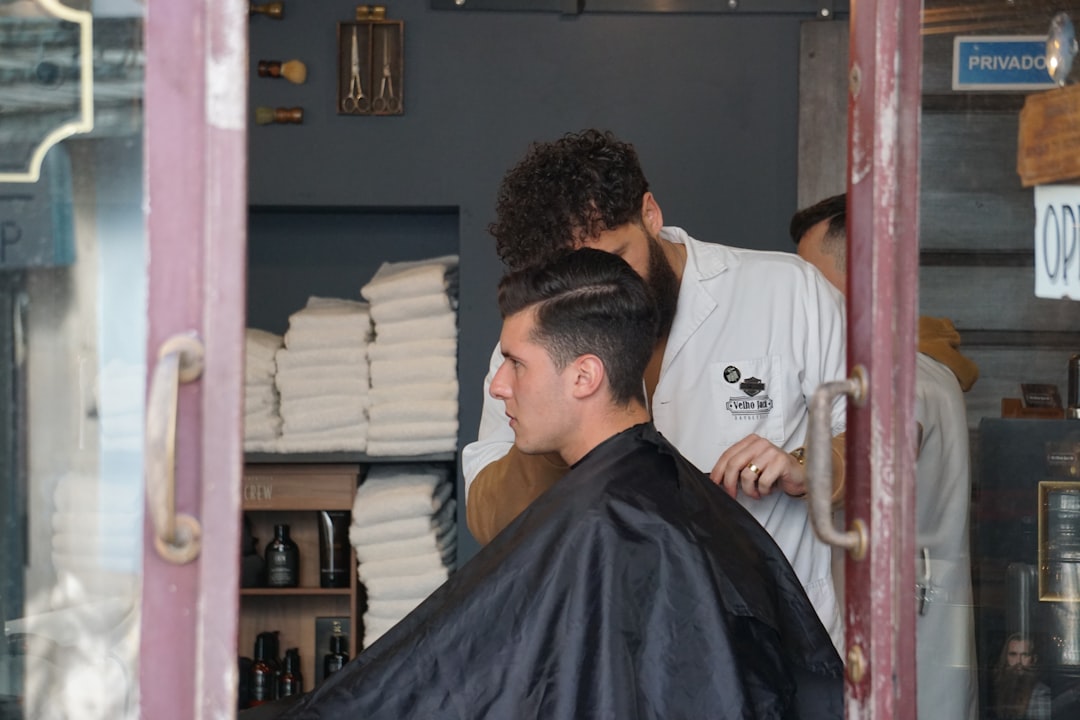
Advanced Layering Systems
Engineer custom layering patterns using interior mapping, over-direction, and disconnection strategies.

Dry vs Wet Cutting Strategies
Choose the right moisture level for each technique to control precision, texture, and client comfort.
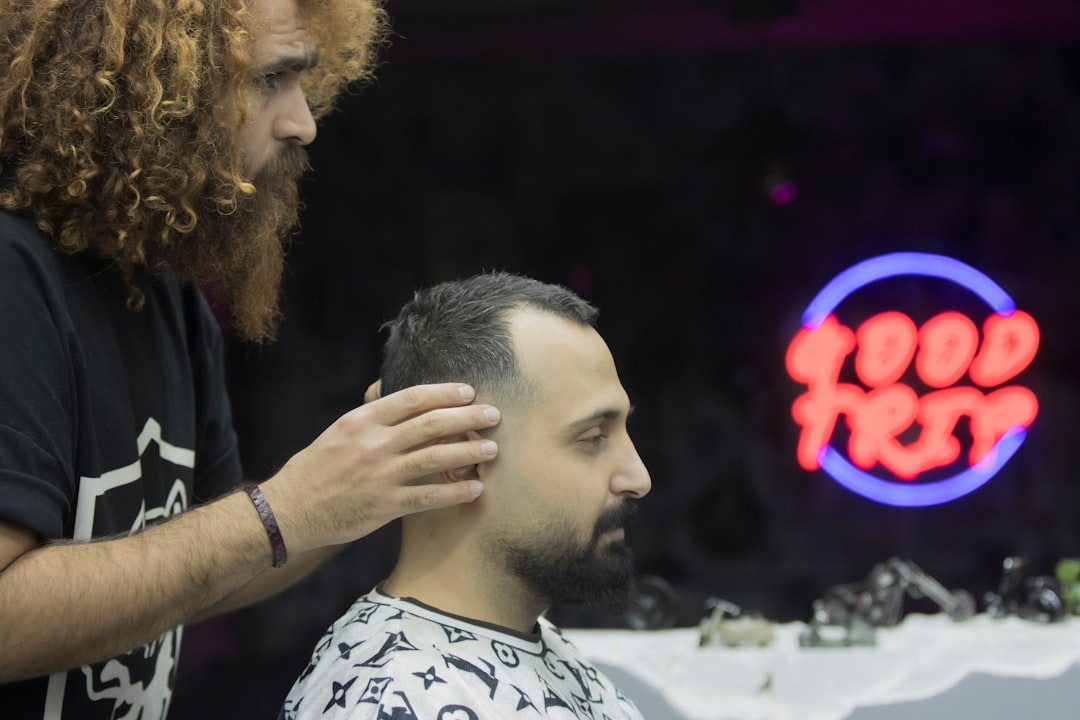
Texturizing for Curl Patterns
Adapt texturizing techniques for wavy, curly, and coily hair while preserving definition and shrinkage control.
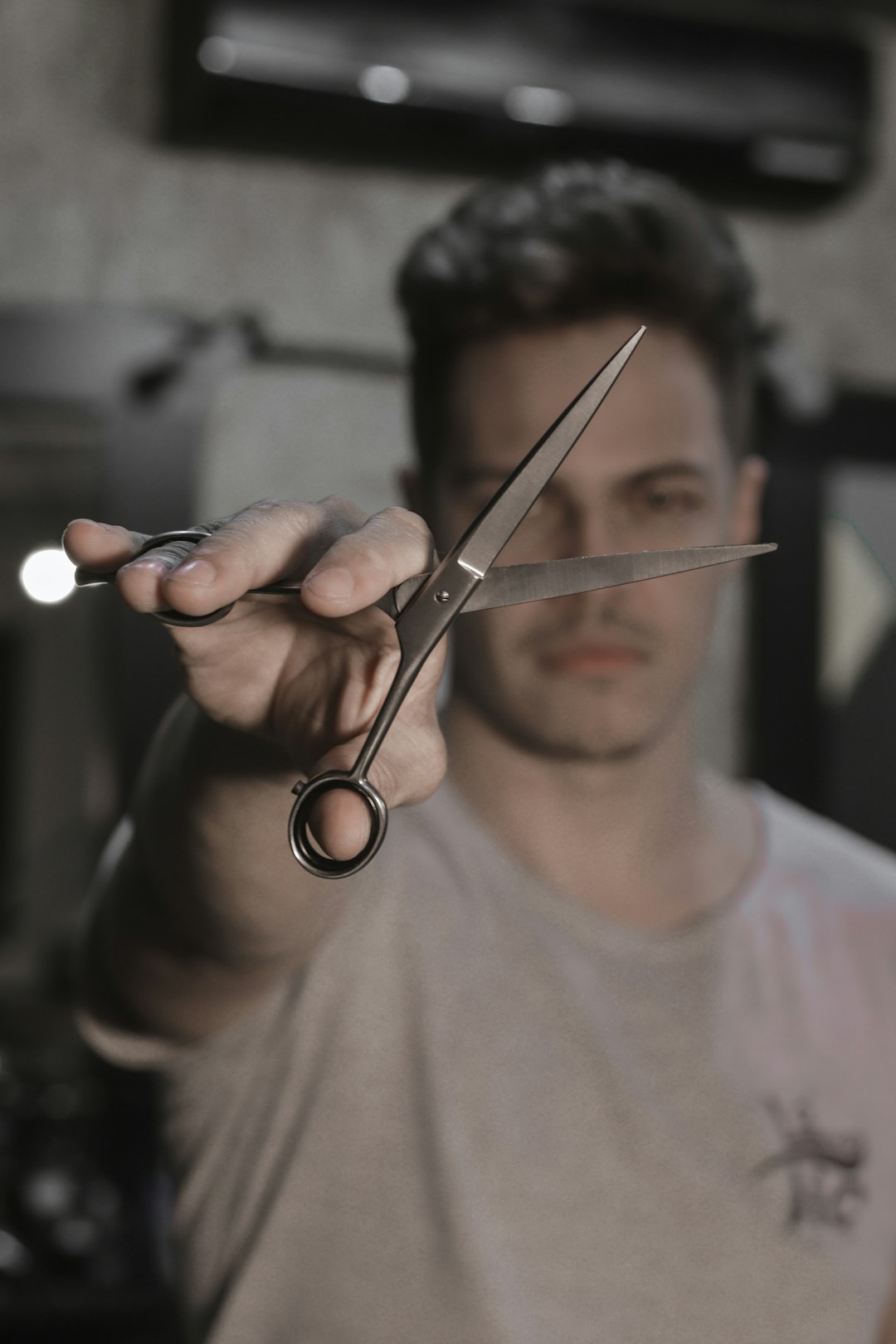
Precision Bob Systems
Combine blunt cutting, layering, and detailing to deliver modern precision bobs for every hair type.
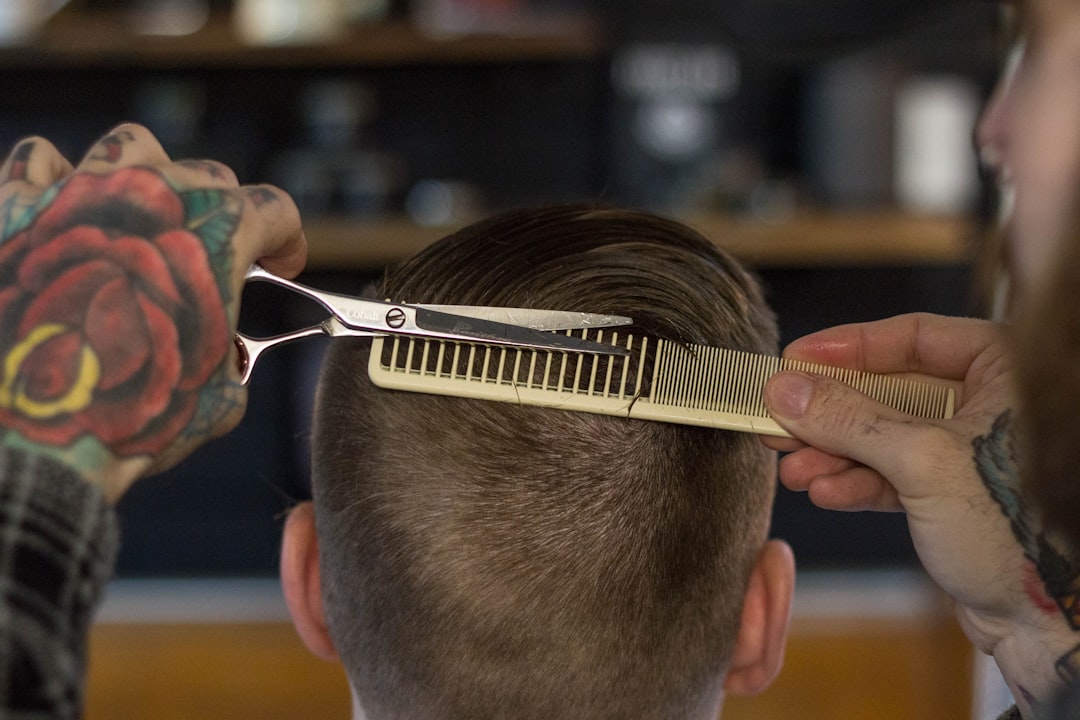
Men's Fade with Shears
Blend shear-over-comb fades with surgical precision while preserving control over weight lines.
Modern Shag Revival
Blend round layers, disconnection, and texture tools to create lived-in shags with controlled volume.
Technique Reference
Detailed definitions and specifications for cutting methods:
- Cutting Techniques — Definitions and descriptions of every major cutting method
- Edge Types — How edge geometry affects technique execution
- Blade Types — Blade profiles and their technique compatibility
- Tooth Types — Thinning shear tooth profiles and cut rates
- Hair Types — How hair texture (1a-4c) influences technique selection
- Scissor Sizes — Size selection by technique type
Choosing Tools for Your Techniques
The right scissors amplify your technique. The wrong scissors fight it. Here's how tool selection connects to cutting method:
- Slide cutting and channel work — Requires convex edge, 5.5-6.0 inch, VG-10 or higher steel. See Steel Alloys and Convex Edge.
- Blunt and graduation — Works with convex or bevel edge, 5.5-6.5 inch. Offset or crane handle for sustained precision. See Handle Types.
- Texturizing and thinning — Dedicated thinning shears with 25-40 teeth (15-30% cut rate). See Tooth Types.
- Men's fade work — Short blade (4.5-5.0 inch), high-hardness steel for frequent comb contact. See Men's Fade Guide.
Browse our brand directory to find manufacturers that specialize in your preferred techniques, or use the First Shears Matrix to match techniques to tools.
Related Learning Paths
- Tool Mastery Hub — Understand the tools that support your techniques
- Maintenance & Sharpening Hub — Keep your cutting edges performing
- Start Here: Orientation — New to ScissorPedia? Map your learning path