
Scissor Maintenance & Sharpening
Your scissors are a precision instrument. How you care for them determines whether they last 2 years or 20. This hub connects every maintenance guide, sharpening resource, and care protocol on ScissorPedia into one learning path.
Why Maintenance Matters
Professional hair scissors represent a significant investment — from entry-level shears at $150 to handcrafted Japanese instruments above $2,000. Proper maintenance protects that investment and directly affects cutting performance. A well-maintained pair of scissors produces cleaner cuts, reduces hand fatigue, and minimizes hair damage.
The three pillars of scissor care are daily cleaning, regular tension adjustment, and professional sharpening. Skip any one of these and you'll notice the difference within weeks: increased drag, rough cut lines, split ends from torn (rather than cut) hair, and premature wear on the blade edge.
This hub organizes ScissorPedia's maintenance knowledge into a clear progression — from the daily 60-second routine every stylist should follow, through understanding different edge types and their care requirements, to finding a qualified sharpener who won't damage your investment.
The Cost of Neglect
Scissors that aren't maintained properly need sharpening more frequently (every 2-3 months instead of 6-12), lose steel with each sharpening cycle, and develop problems like blade misalignment and pivot wear that can't be reversed. A 5-minute daily care routine and proper tension management can double the working life of your shears. See our Care Protocols reference section for the specific steps.
12 Maintenance & Sharpening Guides
Care protocols, sharpening education, safety, and troubleshooting for shears.
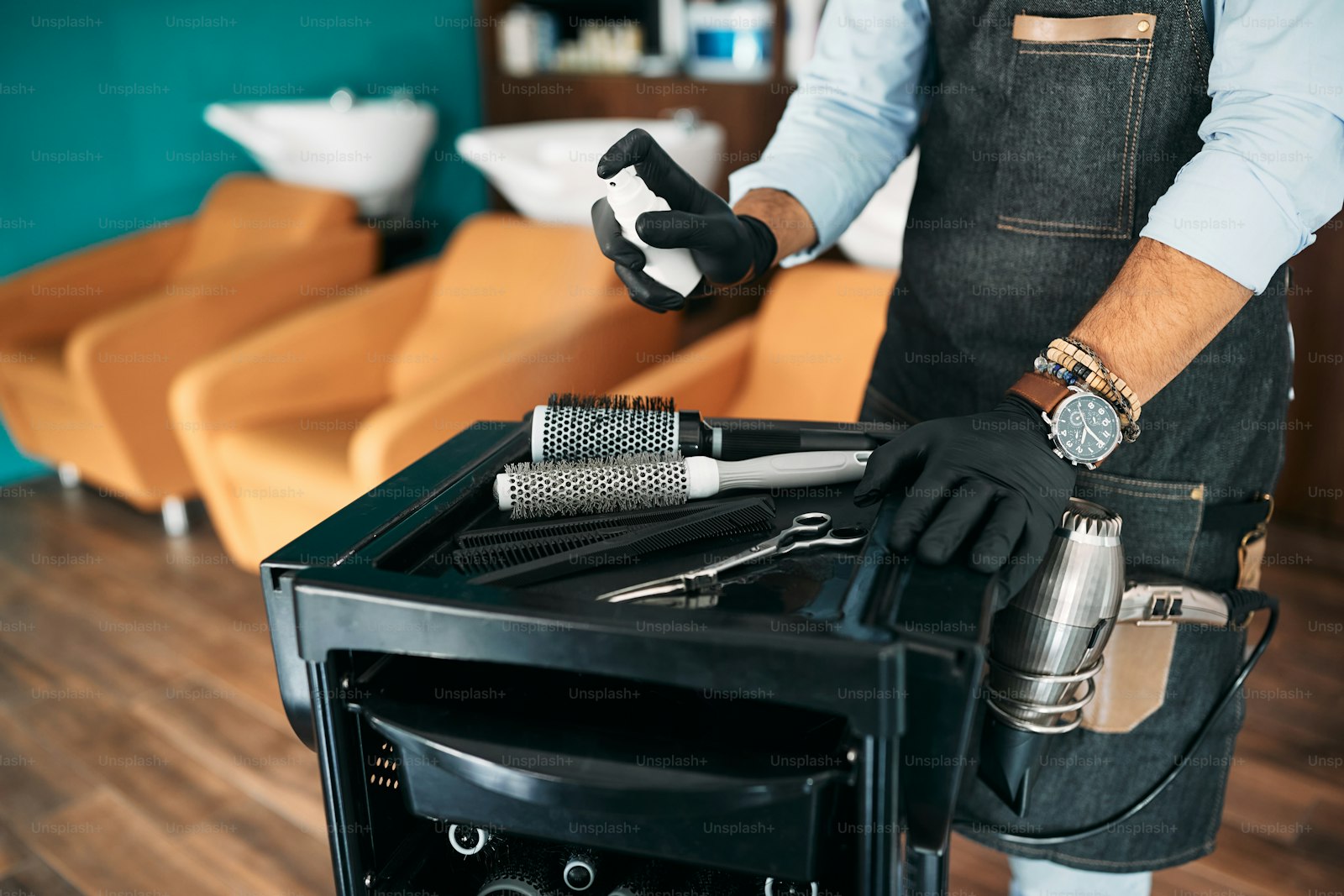
Daily Shear Care Protocol
A seven-minute end-of-shift protocol that keeps your shears clean, lubricated, and ready for tomorrow's clients.

Sharpening Blueprint
Standardize how you prep, ship, and evaluate your shears before and after sharpening appointments.
Sharpener Vetting Checklist
Evaluate professional sharpeners with a 10-point checklist so your shears return factory-perfect every time.
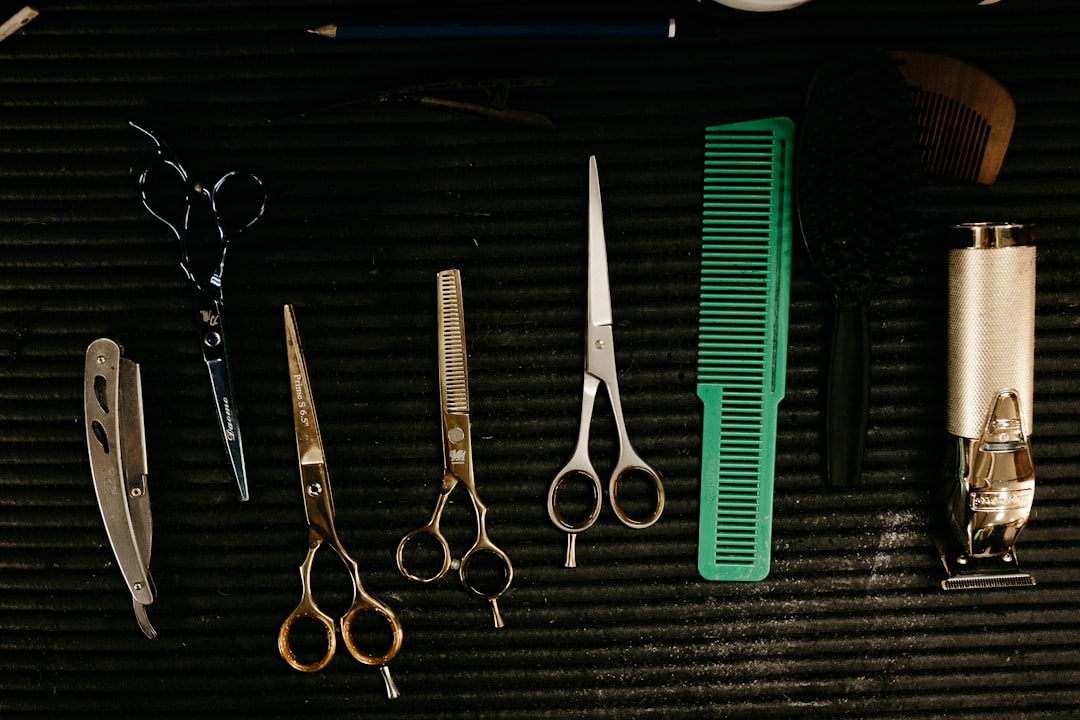
Manufacturer vs Independent Sharpening
Decide when to use manufacturer service centers versus trusted independent sharpeners.
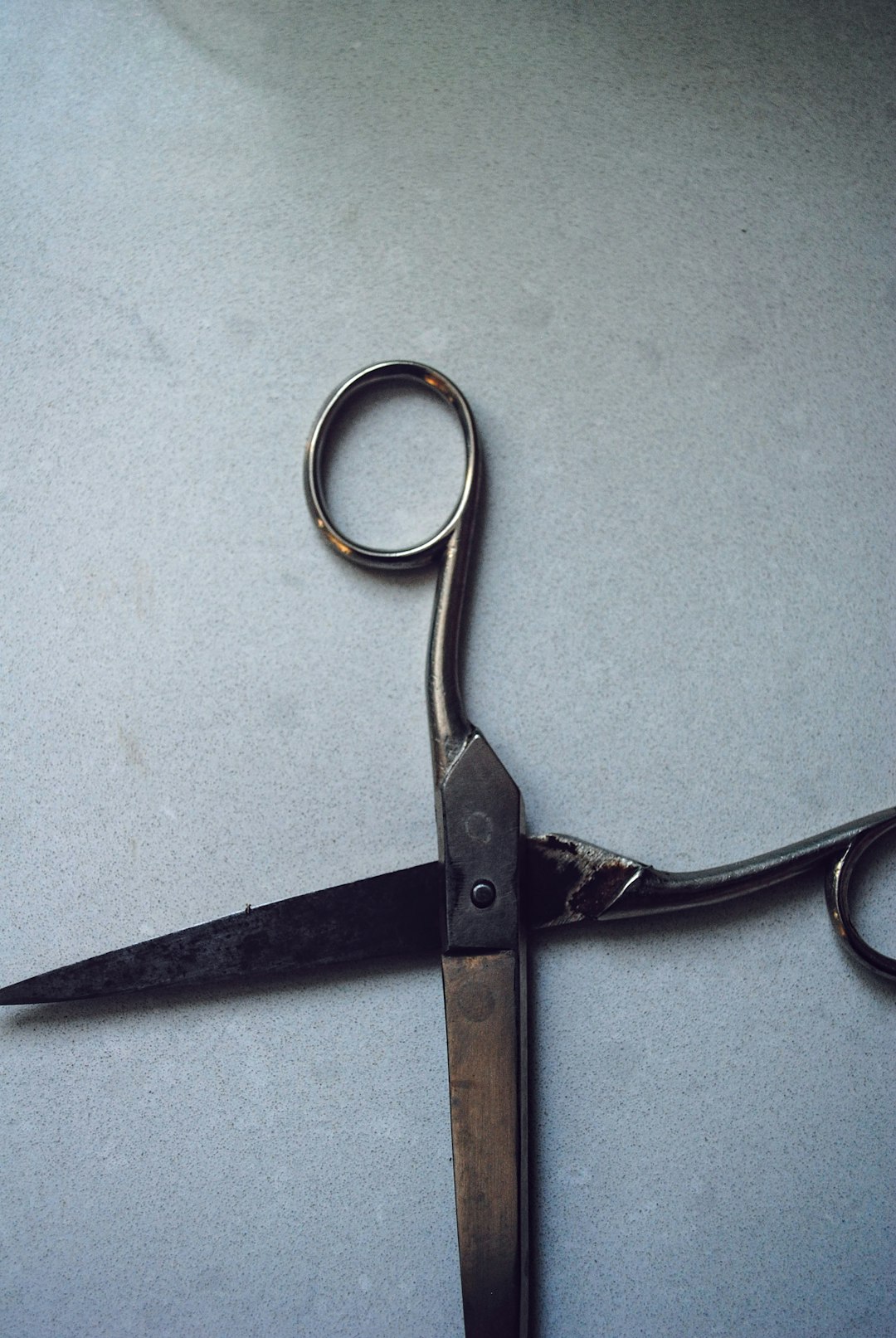
Why DIY Sharpening Fails
Understand the damage caused by home sharpening kits and how to educate teams against risky shortcuts.
Convex Edge Maintenance Challenges
Address common issues with high-polish convex shears used for precision, dry cutting, and slide work.
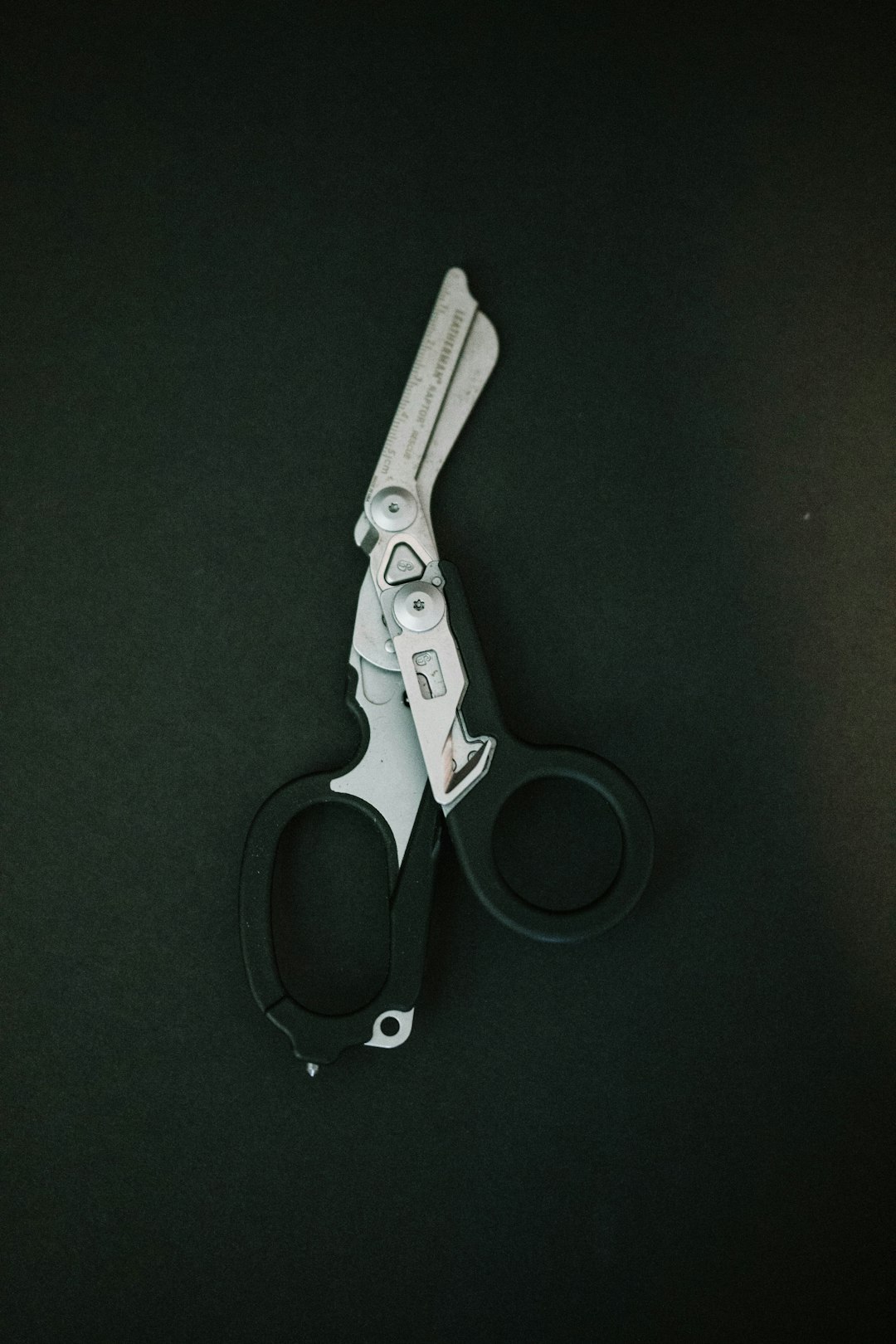
Beveled Edge Best Practices
Maintain beveled and micro-serrated shears for maximum durability and consistent blunt cutting.
Serrated Blade Care
Keep serrated shears gripping cleanly with targeted cleaning, tension, and sharpening strategies.
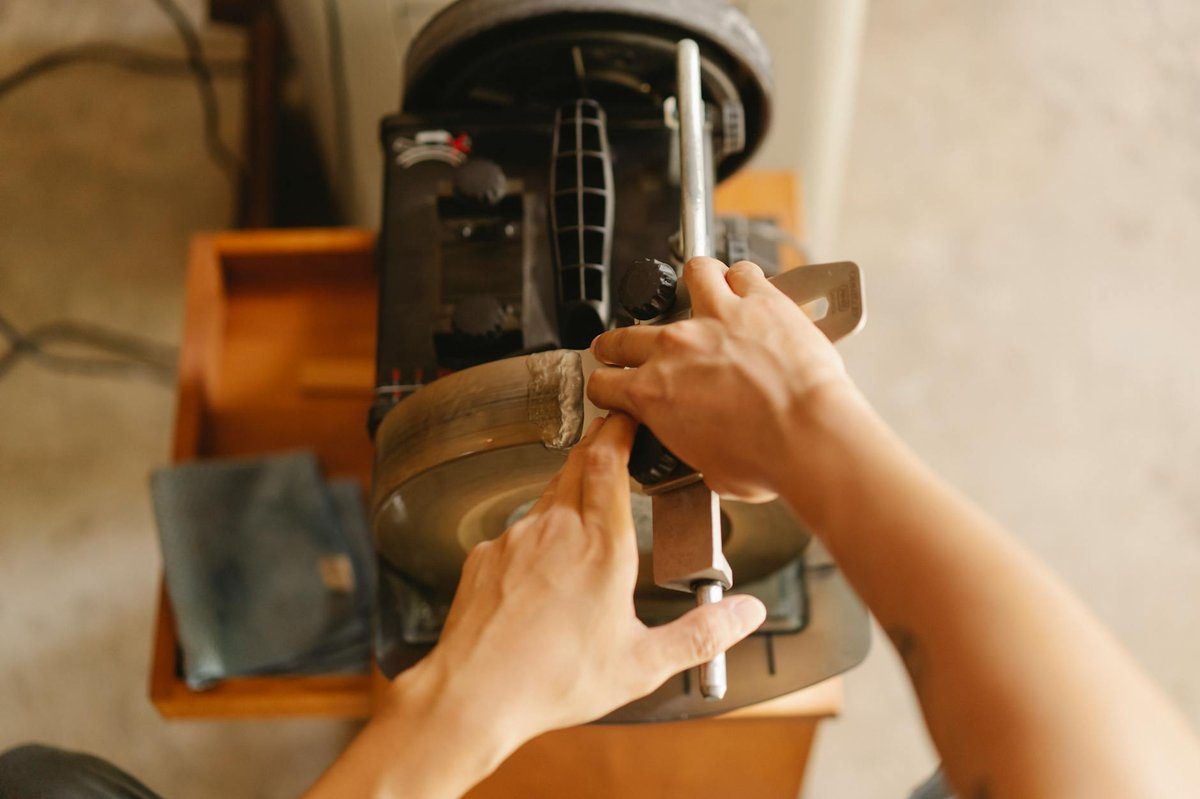
Troubleshooting After Sharpening
Diagnose issues that appear after sharpening so you can request corrections or adjust tension safely.
Sharpening Frequency Matrix
Determine sharpening intervals based on service volume, steel type, and technique intensity.

Maintenance Safety & Liability
Protect your business by documenting maintenance, sanitization, and sharpening practices.
Reference Materials
Deep-dive into the technical details behind maintenance decisions:
- Care Protocols — Daily, weekly, and monthly maintenance routines
- Edge Types — Convex, bevel, semi-convex, and serrated edge profiles and their care requirements
- Tension Systems — Adjustment mechanisms and proper calibration
- Steel Types — How steel composition affects maintenance frequency
- Sharpening Reference — Methods, equipment, and when to sharpen
- Accessories & Storage — Cases, oils, cloths, and tools
Related Reading
- Start Here: Maintenance Basics — The 5-minute foundation for new stylists
- Steel Alloys Guide — Understanding how steel type affects sharpening needs
- Shear Anatomy — Know the parts of your scissors to maintain them properly