

COVID-19 Impact on Japanese Scissors Manufacturing and Supply Chains
The COVID-19 pandemic is disrupting global supply chains, and the professional scissors industry is no exception. Japanese manufacturing — centred in Seki City, Gifu Prefecture — faces a combination of production slowdowns, distribution breakdowns, and export delays that will reshape how scissors reach stylists worldwide.
Factory Closures and Reduced Output
Several Seki City workshops have implemented temporary closures or reduced shifts to comply with public health guidelines. For small-scale manufacturers who rely on a handful of specialised craftspeople, even one or two absences can halt production of specific models. The bungyosei (分業制) division-of-labour system that defines Seki’s production means a disruption at any single stage — forging, grinding, handle fitting, final assembly — creates a bottleneck that cascades through the entire chain.
Larger manufacturers with more diversified workforces are faring somewhat better, but no operation is immune.
The Dealer System Under Pressure
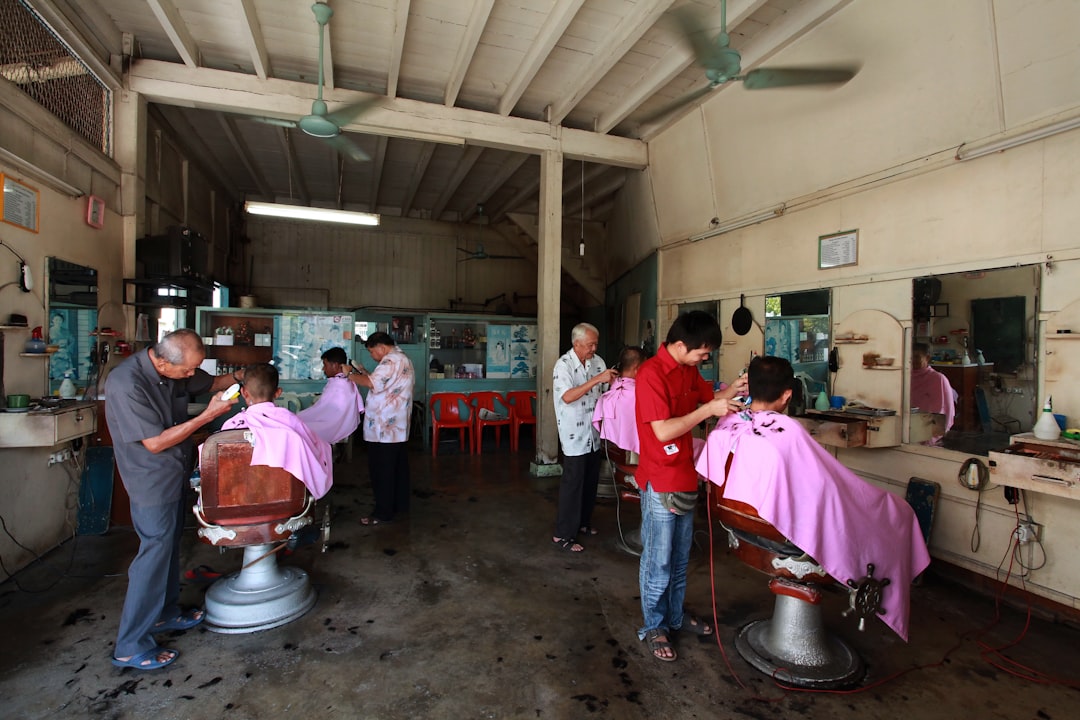
In Japan, the dominant purchase channel for professional scissors is the beauty dealer (ディーラー). These are sales representatives who visit salons directly, carrying product ranges for stylists to handle, test, and compare. This hands-on selection process is deeply embedded in Japanese salon culture — many stylists will not purchase scissors they have not physically held and tested on hair.
With salon visits restricted and many salons themselves operating under reduced hours, this entire distribution model is effectively paused. Dealers cannot visit. Stylists cannot test. Sales stall.
Trade Shows Postponed
Beautyworld Japan, one of the largest beauty industry trade events in Asia and a critical launchpad for new scissor models, has been postponed. Similar events across Europe, the US, and Australia face cancellations. For manufacturers who time product launches around these events, the disruption extends beyond immediate sales to long-term product planning.
Sharpening Services Disrupted
Professional sharpening specialists (研ぎ師 / togishi) who travel to salons for on-site maintenance are also unable to operate normally. For stylists who depend on regular sharpening cycles — typically every four to six months for daily-use scissors — this creates a real performance issue. Dull scissors cause hair damage and repetitive strain, making this more than an inconvenience.
International Shipping Delays
Japanese scissors are exported to over 20 countries. International freight delays, reduced air cargo capacity, and customs processing slowdowns are extending delivery timelines from weeks to months in some corridors. Australian and European distributors report the longest delays.
A Forced Digital Shift
Perhaps the most significant long-term effect: the crisis is accelerating online adoption in an industry that has historically resisted it. Manufacturers and distributors who previously relied entirely on in-person sales are now exploring e-commerce, video consultations, and digital catalogues. Whether this shift endures beyond the pandemic remains to be seen, but the traditional model has been challenged in a way that cannot be entirely reversed.