
How Japanese Stylists Buy Scissors: The Dealer System Explained
The way professional stylists in Japan purchase their scissors is fundamentally different from Western markets. Understanding the Japanese system helps explain pricing, brand availability, and why certain excellent manufacturers remain virtually unknown outside of Japan.
The Beauty Dealer System
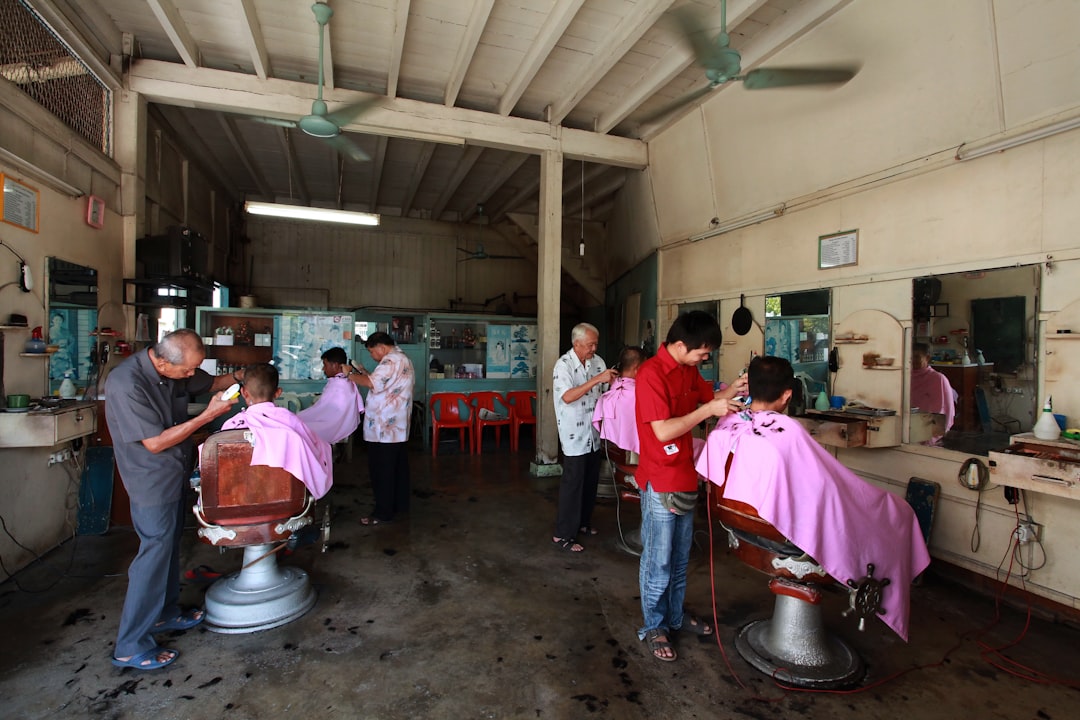
The dominant purchase channel in Japan is the beauty dealer (ディーラー / diiraa) — an independent sales representative who visits salons directly with a curated selection of scissors and tools.
A typical dealer visit works like this: the representative arrives at the salon with a sample case containing scissors from one or more brands. They discuss the stylist’s needs, observe their cutting technique if appropriate, and allow hands-on comparison of different models. Orders are placed on the spot or after a trial period, and the dealer handles delivery and after-sales support.
This system has persisted for decades because it genuinely works well for both parties. The stylist gets personalised recommendations and can try scissors in their own working environment. The dealer builds long-term relationships with salons and earns repeat business through trust and service quality. Many Japanese stylists have worked with the same dealer for their entire career.
Manufacturer Showrooms
Several major manufacturers operate their own retail showrooms where stylists can visit and try products directly. Mizutani maintains locations in Asakusa, Omotesando, and Osaka with over 200 models available for hands-on testing. These showrooms complement the dealer system rather than replacing it — they serve stylists who prefer to browse independently or who are visiting from outside the local dealer network.
Sharpening Specialists as Sellers
Sharpening specialists (研ぎ師 / togishi) occupy an interesting dual role in Japan. Beyond their primary service of maintaining and restoring scissor edges, many togishi also sell scissors and can customise handle fit, tension, and blade finish for individual clients. Their intimate knowledge of how different scissors perform and wear over time makes their recommendations particularly valuable.
Trade Shows and Print Catalogues
Beautyworld Japan and regional beauty trade shows provide another purchasing opportunity, particularly for discovering new brands and technologies. Several established manufacturers — including Utsumi and Trax — continue to publish printed paper catalogues that salons can order from, though this channel is gradually declining.
Online Purchasing
Online retail through platforms like Rakuten and Amazon Japan has grown steadily since 2010, particularly for replacement purchases where the stylist already knows their preferred model. However, most Japanese stylists still prefer to handle scissors before buying, which limits online sales for first-time purchases of a new model.
How Japanese Stylists Build Their Kit
Most Japanese professional stylists own multiple pairs of scissors, each serving a specific purpose. A typical working kit includes a primary cutting scissor (usually 5.5-6.5 inches), one or more thinning or texturising scissors with varying tooth counts, and sometimes a specialty scissor for specific techniques like slide cutting or dry cutting.
The common advice for beginners entering the profession is to start with an affordable but competent scissor, learn proper technique and maintenance, and then upgrade based on informed experience rather than marketing promises. This pragmatic approach reflects the Japanese professional culture’s emphasis on skill development over equipment.